Didn't get a settlement check from Amazon? You may still be eligible
Published in Business News
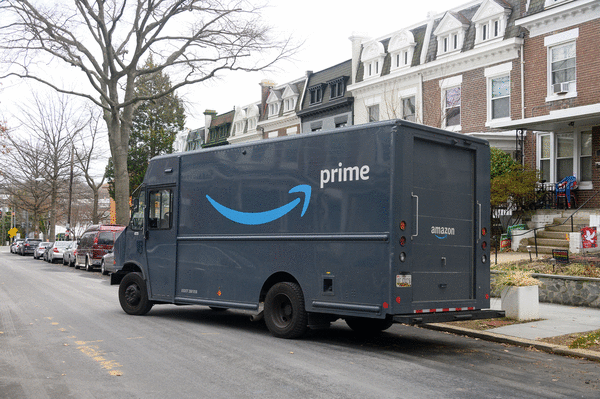
Millions of Amazon Prime customers received refunds from the company over the holidays, and there's a chance more members are still eligible.
Amazon agreed to disburse $1.5 billion to customers and pay a $1 billion civil penalty to settle a Federal Trade Commission lawsuit over its subscription service. About 35 million Prime customers who meet specific criteria were eligible for a maximum refund of $51.
The FTC, which filed the lawsuit during the Biden administration, accused Amazon of duping millions of customers into signing up for Prime and putting them through a labyrinth to cancel. Three days into a September trial that was expected to last a month, the two parties settled.
Eligible customers should have received an email from Amazon between Nov. 12 and Dec. 24 with a refund available through Venmo or PayPal, according to the FTC.
If a customer ignored the email or didn't receive it, the FTC said Amazon will mail a check to the default shipping address listed on the Prime subscription.
Amazon opened a claims process Monday. Any eligible customers will be notified by Jan. 23.
Those waiting for a check or automatic refund will have to have been U.S. Prime customers and used no more than three Prime benefits in any 12-month period after enrollment. Those include Amazon's music and video streaming platforms.
To be eligible, customers must also have unintentionally signed up between June 23, 2019, and June 23, 2025, or tried unsuccessfully to cancel.
The FTC is also warning against potential fraud. No representatives from the regulatory agency will contact customers about refunds.
If you get a call from someone who claims to be from the FTC, it’s a scam," the FTC's website said.
Though filed under the Biden administration, the Trump administration touted the victory, calling it "historic."
In September, Amazon denied it or any of its executives had violated the law, saying the settlement "allows us to move forward and focus on innovating for customers."
Amazon's Prime membership, introduced in 2005, has been critical to the company's dominance in e-commerce. The service offers access to grocery delivery, discounts at Amazon-owned Whole Foods and streaming platforms. It also guarantees fast delivery for an annual fee of $139.
Prime-derived payments now account for a significant portion of Amazon's business. In 2024, revenue from subscription fees alone brought in $44.3 billion. The company's total revenue in 2024 for its retail business was $530 billion, much of that driven by Prime members.
The lawsuit wasn't an antitrust case.
The FTC accused Amazon of violating the Restore Online Shoppers' Confidence Act, a consumer-focused law passed in 2010. The agency said Amazon made the sign-up process unclear but easy, essentially tricking customers into Prime when they thought they were selecting a one-time free shipping option.
As part of the settlement, Amazon must "clearly and conspicuously disclose the terms of Prime memberships and make the cancellation process as easy as enrollment. Amazon said in September it won't have to make changes as those outlined by the FTC were already made years ago.
Amazon hasn't squeezed itself out of the FTC's grasp yet.
In a separate antitrust lawsuit, also filed during the Biden administration, the FTC accused Amazon of illegally squashing e-commerce competitors to maintain market dominance. One of the key accusations made by the agency, along with attorneys general from 17 states, is that Amazon manipulated prices among third-party sellers. Those sellers make up more than half of Amazon's online business.
The case is expected to go to trial in 2027. Amazon won a partial dismissal in 2024, though the order was sealed so it's unclear which claims were dropped.
©2026 The Seattle Times. Visit seattletimes.com. Distributed by Tribune Content Agency, LLC.






Comments