Minnesota attorneys sue Trump administration over Somalis' fast-tracked asylum cases
Published in News & Features
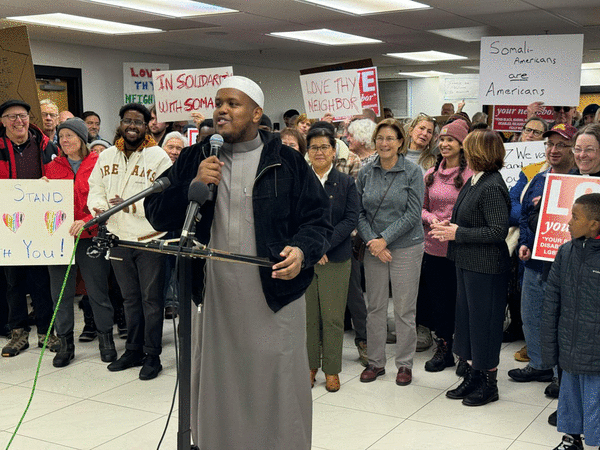
MINNEAPOLIS — Attorneys for Somali asylum seekers who have had their hearings fast-tracked filed a lawsuit arguing the Trump administration is singling out a group of immigrants based on their nationality and violating their rights to due process.
Hines Immigration Law of Roseville and the Minneapolis-based Advocates for Human Rights filed the suit on Tuesday, March 24, in federal court in Washington, D.C. The asylum seekers are represented by lawyers from the nonprofit Democracy Forward, which formed after President Donald Trump was first elected in 2016.
The complaint argues the Somali fast-track policy, known locally as the “rocket docket," accelerates the hearing timelines to the point that immigrants and their attorneys do not have time to prepare their cases. Asylum cases are complex and it typically takes years to gather evidence like police and medical reports.
“Ninety-seven percent of my Somali clients’ cases have been rapidly advanced on impossible and unprecedented timelines in this scheduling blitz over recent weeks,” attorney Kelsey Hines said in a statement announcing the lawsuit. “This is not random. This is not about efficiency or docket management.”
Minnesota lawyers became inundated with rescheduled hearings starting in late January. Asylum seekers typically go eight months to a year between hearings, but lawyers say immigration officials aim to decide the Somali cases by summer.
The hearings are not taking place at Fort Snelling Immigration Court, but instead are typically being held online, with immigrants’ families and the public unable to observe. The judges are all from out of state, and many have high rates of denying asylum claims.
Kathryn Mattingly, spokeswoman for the Executive Office for Immigration Review, which oversees 70 immigration courts nationwide, recently denied that cases involving Somalis were being fast-tracked or that the hearings were being held essentially in secret. Mattingly noted that any immigration judge in the U.S. can hear a case at any time to help with caseloads. Mattingly didn’t immediately respond to a request for comment on the lawsuit.
The lawsuit notes the effort to expedite these cases began weeks after President Trump repeatedly disparaged Somalis, calling them “garbage.”
“We’re getting a lot of their people out,” Trump said in early December. “I don’t want them in our country. I’ll be honest with you, OK? Somebody would say, oh, that’s not politically correct. I don’t care.”
The president’s statements came as Immigration and Customs Enforcement was ramping up Operation Metro surge, during which federal officials claim more than 4,000 immigrants were detained. Trump said one of the reasons for the increased enforcement was the dozens of Somali Americans in Minnesota who have been accused or convicted of defrauding state social services programs.
Most Somalis living in Minnesota are citizens or have legal status. About 1,500 have temporary protected status (TPS), a deportation protection Trump wants to revoke.
A separate lawsuit challenges former Homeland Security Secretary Kristi Noem’s decision to let TPS for Somali nationals expire. Last week a judge let TPS continue while the court case proceeds.
The move to fast-track Somali asylum cases comes as a growing number of immigration cases are being held behind locked doors or in online hearings the public cannot observe. The Advocates for Human Rights filed a lawsuit March 12 challenging the growing court secrecy.
©2026 The Minnesota Star Tribune. Visit at startribune.com. Distributed by Tribune Content Agency, LLC.






Comments