Psilocybin mushrooms are going mainstream, but scientific research and regulation lag behind
Published in News & Features
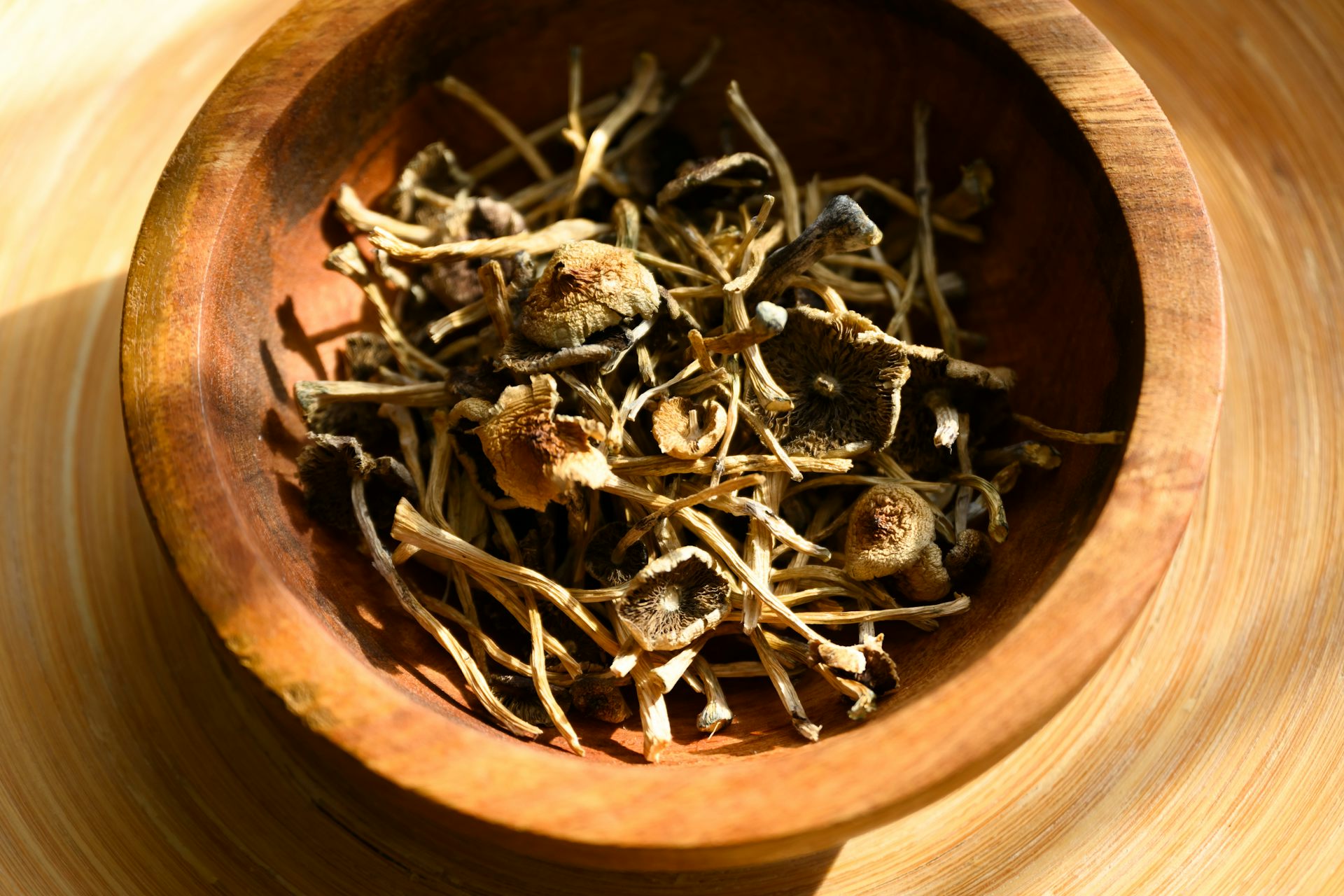

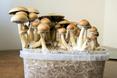
Amid a renaissance in the science of psychedelics, public interest in psilocybin – or magic mushrooms, as they’ve long been known – is surging.
One study found that rates of psilocybin use increased 44% among adults ages 18-29 from 2019 to 2023, and 188% among those over age 30. This amounts to more than 5 million adults using psilocybin in 2023 alone. And those numbers are rising: A study published in early 2026 found that about 11 million adults in the United States used psilocybin in the previous year.
In many ways, the growing scientific and public interest in psilocybin mirrors the early days of recreational cannabis legalization in the U.S. Much like how cannabis commercialization quickly outpaced the development of regulations necessary to protect public health, the expanding psilocybin market and surging public interest are moving faster than the science and regulations needed to ensure it is used safely.
We are substance use researchers who have spent more than a decade studying the many new, high-THC cannabis products that have flooded the legal-market.
Now, we similarly aim to bridge the gap between public enthusiasm for psilocybin and the limited scientific evidence available about its potential benefits and risks. Currently, this type of real-world data on the effects of psilocybin mushrooms is almost nonexistent.
Psilocybin is a prodrug, which means that it has very low activity until the body converts it into psilocin. Psilocin is the compound primarily responsible for the psychoactive effects of psilocybin mushrooms.
Psilocin resembles the chemical messenger serotonin, which is involved in regulating a range of physiological and psychological functions, including mood, appetite, cognition and sensory perception. As a result, when psilocin binds to serotonin receptors, it alters how people think, feel and experience the world.
Importantly, research suggests that psilocin also alters the brain’s ability to strengthen or weaken neural connections, referred to as synaptic plasticity. This process likely underlies the profound and sometimes long-lasting effects psilocybin mushrooms can have on thoughts, emotions and perception.
Psilocybin mushrooms contain numerous other compounds, together known as tryptamines, such as baeocystin, norbaeocystin and aeruginascin. Research on rodents shows that mushrooms containing these compounds may elicit stronger and longer-lasting effects than psilocybin alone.
But very little is known about how these other tryptamines affect humans. This is because federal regulations require researchers to use an isolated, synthetic version of psilocybin in clinical studies rather than the entire mushroom.
Thus, the many ongoing clinical trials testing psilocybin as a treatment for various mental health conditions use synthetic psilocybin that does not contain these other tryptamines.
Psilocybin is more accessible than ever before.
In 2019, Denver, Colorado, became the first American city to decriminalize psilocybin mushrooms. This means that possession becomes the lowest law enforcement priority and criminal penalties are reduced or eliminated, but it does not fully legalize them.
Over the next two years, several other U.S. cities including Oakland and Santa Cruz, California; Seattle, Washington; and Detroit, Michigan, followed suit. In 2020, Oregon legalized psilocybin for supervised use in licensed settings, and Colorado did the same in 2022. These legal, supervised-use programs allow access to psilocybin mushrooms in regulated environments without a prescription.
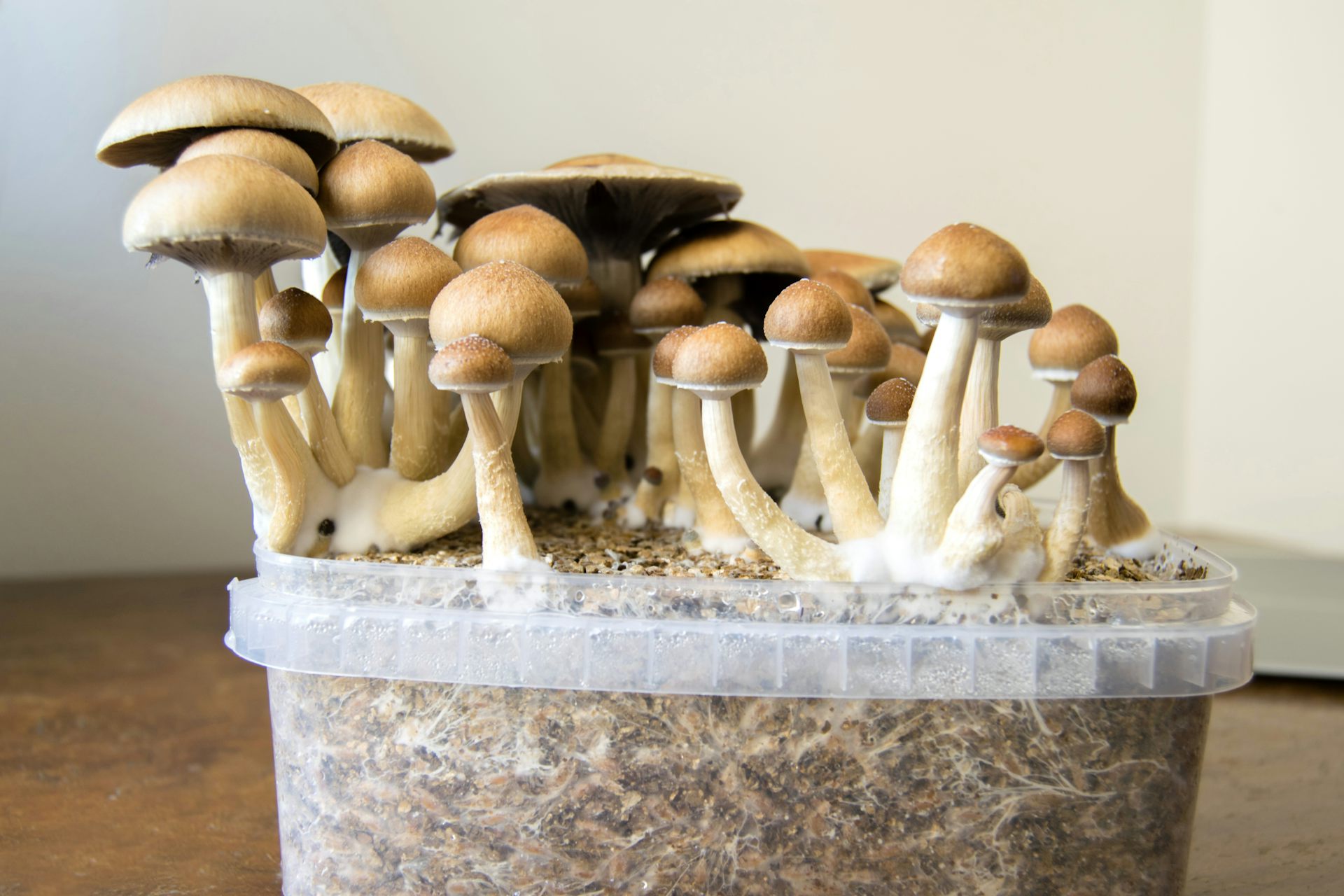
Even for people living outside those states and cities, the barriers to accessing psilocybin mushrooms are low. With a quick Google search and around US$35, anyone can legally purchase kits containing the materials needed to grow psilocybin-containing mushrooms. These kits are legal to buy and sell because they contain only mushroom spores, which are tiny reproductive cells from which mushrooms grow. Once these spores begin growing into mushrooms, they can produce psilocybin, making the mushrooms a federal Schedule 1 substance.
Because psilocybin mushrooms exist in this legal gray area and are governed by different rules across states, psilocybin mushrooms are essentially unregulated across most of the U.S.
As a result, consumers lack reliable information about what their mushrooms contain, how much they should take and how to use them safely.
Much like the cannabis industry, which has seen a steady increase in product variety and product strength since legalization, the psilocybin mushroom market is experiencing rapid growth.
For instance, psilocybin edibles are now available and increasingly popular.
In addition, selective cultivation practices are being used by individual and commercial growers to systematically increase the amount of psilocybin contained in their mushroom strains. For example, the Oakland Hyphae Cup, a community contest intended to identify the best mushroom strains, has shown wide variability in psilocybin content across samples.
Researchers are identifying a similar pattern of widely variable psilocybin content in scientific studies of psychedelic mushrooms from around the world.
Despite psilocybin’s therapeutic promise, it also carries risks. Psilocybin can cause headaches, nausea, dizziness and changes in blood pressure.
Less commonly, some people experience psychotic symptoms, suicidal thoughts, anxiety, paranoia, confusion or emotional distress.
Another serious potential side effect of psychedelic drugs is what’s known as hallucinogen persisting perception disorder. It involves ongoing perceptual distortions similar to those experienced while directly under the influence of psilocybin, which can persist for weeks, months or years, even once the psilocybin has left the body.
Harms are more likely when people take high doses.
As mushroom potency increases without market regulation, consumers may inadvertently ingest more psilocybin than intended, increasing the risk of harm. Without sufficient research on modern psilocybin products, consumers have little guidance on how to reduce potential harms.
Studying psilocybin in the real world requires creative research approaches.
Our team hopes to work within federal restrictions to study people using their own psilocybin mushroom products at home, while providing real-time data to our research team using app-based surveys.
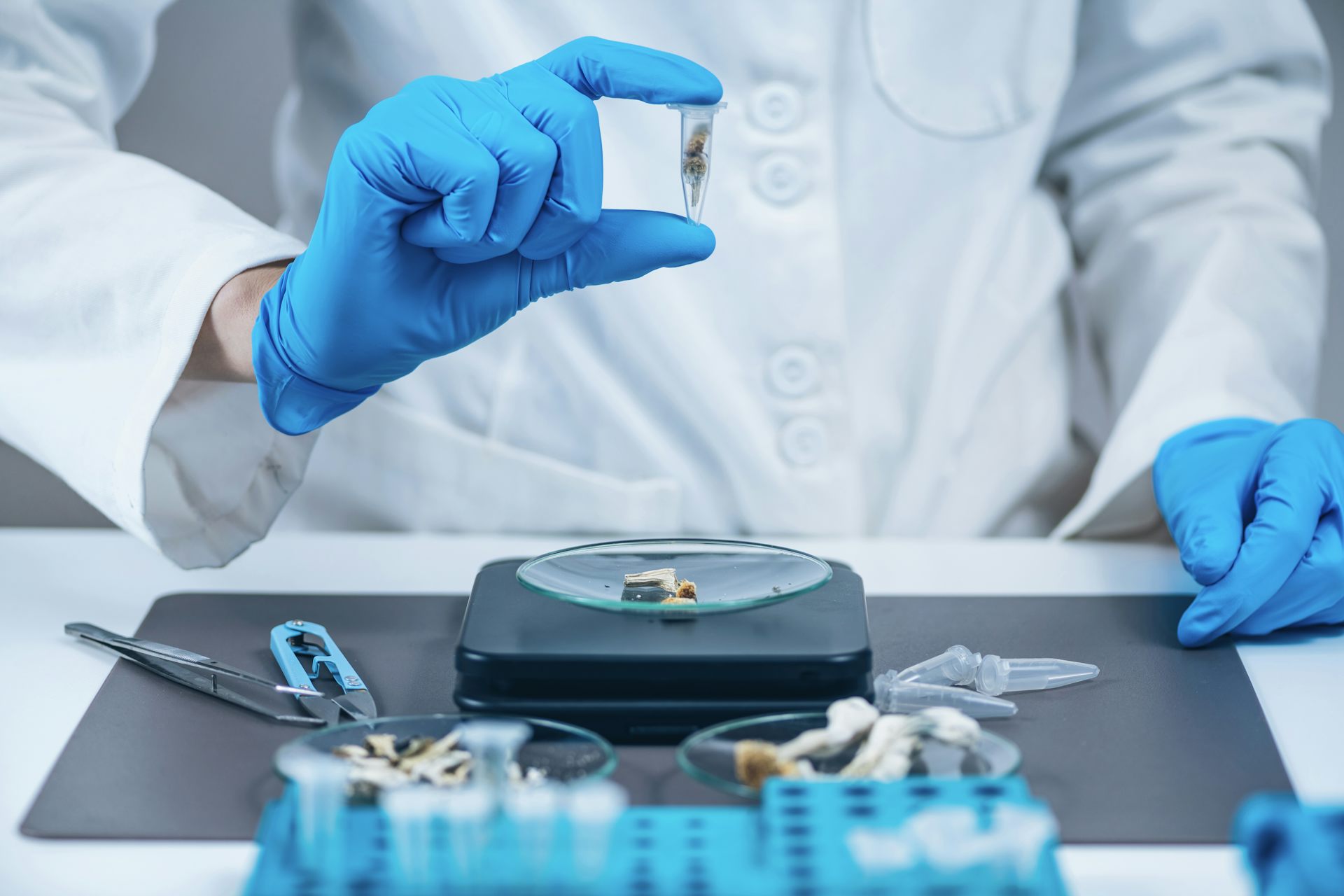
Independent laboratories using state-of-the-art measurement techniques can aid researchers like us by providing information about the potency of the mushroom products that people are using.
While ongoing clinical trials provide important data about the effects of psilocybin under tightly controlled conditions, real-world data is needed to understand how modern psilocybin mushrooms are used and experienced by consumers.
These insights matter not only for scientists and policymakers but for the growing number of people trying psilocybin mushrooms for relief, self-improvement or out of curiosity. In a largely unregulated market, and with few clear guidelines on safe use, consumers are left to simply figure it out on their own.
This article is republished from The Conversation, a nonprofit, independent news organization bringing you facts and trustworthy analysis to help you make sense of our complex world. It was written by: Hollis Karoly, University of Colorado Anschutz Medical Campus and Kent Hutchison, University of Colorado Anschutz Medical Campus
Read more:
Psilocybin legislation is helping psychedelic drugs make a comeback – a drug researcher explains the challenges they face
Magic mushroom‑infused products appear in Colorado gas stations – what public health officials want consumers to know
The growing fad of ‘microdosing’ mushrooms is leading to an uptick in poison control center calls and emergency room visits
Hollis Karoly receives funding from the National Institutes of Health (NIH) and the Institute for Cannabis Research (ICR).
Kent Hutchison does not work for, consult, own shares in or receive funding from any company or organization that would benefit from this article, and has disclosed no relevant affiliations beyond their academic appointment.







Comments