Nevada river makes 'most endangered' list as mining, solar threats mount
Published in News & Features
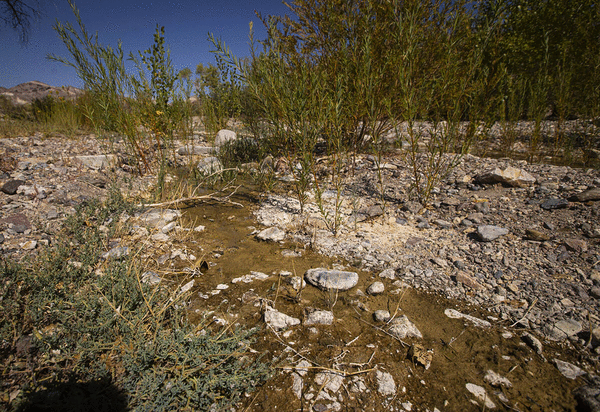
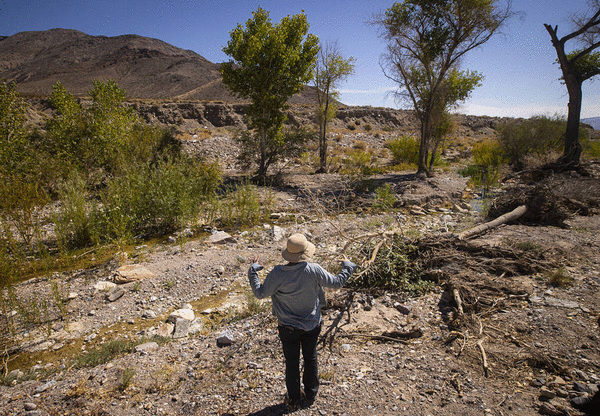
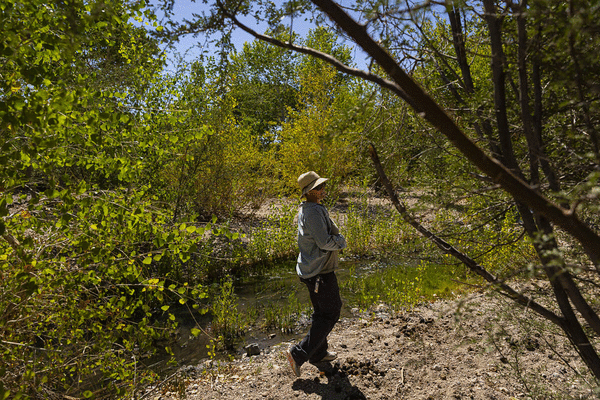
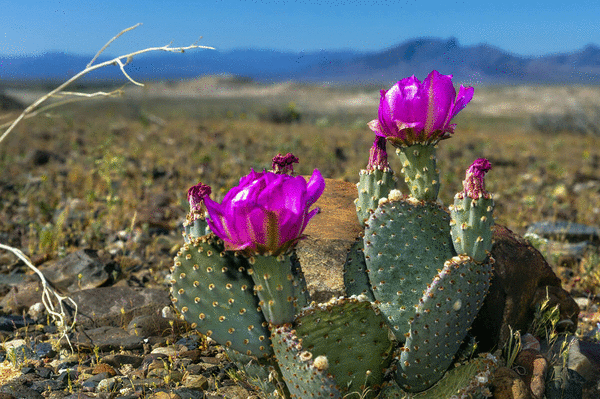
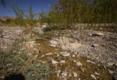
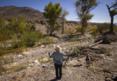
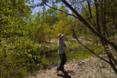
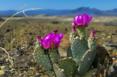
The mighty-but-little-known Amargosa River gained dubious national recognition this week.
Without intervention preventing mining and solar farm development, the river that makes life possible in one of America’s harshest deserts is in grave danger, the nonprofit American Rivers declares in its top 10 most endangered rivers list, which was released Tuesday.
“The Amargosa River is a vibrant ribbon of life in one of the driest landscapes in North America, but right now its future is in a precarious position,” Chantel Dominguez, director of conservation partnerships for American Rivers, said in a statement. “While the river and ecosystems it preserves are fragile, the fight to save them has united a strong, bipartisan movement dedicated to protecting their life-giving resources.”
Other rivers that the nonprofit listed include the Potomac River in the Northeast, the San Joaquin River in California and the Suwannee River in Florida and Georgia. It cites data center development and sewage pollution as the biggest threat to the Potomac, gravel mining to the San Joaquin and groundwater withdrawal and agricultural pollution to the Suwannee.
The Amargosa River flows — mostly underground — some 185 miles from outside of Beatty into Badwater Basin in Death Valley National Park, recharged each year by snowmelt from the Spring Mountains near Las Vegas. Existential threats to the river and its basins has also united the deeply right-leaning Nye County around water.
Nye County is home to Ash Meadows National Wildlife Refuge, a fragile gem that some call the Galapagos of the Mojave Desert. Within it, the Devils Hole pupfish — the preservation of which is mandated by a 1976 U.S. Supreme Court decision — live in a crystal blue pool, with other endemic, endangered fish species nearby.
Today, after small-town Nevada successfully pushed back against exploration for lithium near the refuge in the early 2020s, the area is experiencing pressure from developers who hope for expanded mining, solar energy development and even AI data centers.
Meanwhile, rural residents face bills in the tens of thousands of dollars to drill their domestic wells hundreds of feet deeper to keep up with a declining water table.
“We are calling on our leaders to save the Amargosa River,” said Carolyn Allen, town board chair of Amargosa Valley, in a statement. “Our community is living under threat. We fight for every drop of water. Our beautiful river needs to be saved and protected. This can’t wait.”
For years, with the exception of the national wildlife refuge, protections for the Amargosa River have existed mostly beyond the Nevada border.
On the California side, 600,000 acres along the river are already set aside for conservation. In 2009, lawmakers awarded the California portion a “scenic and wild river” designation as a part of an omnibus bill in Congress. One campaign hopes to establish the Amargosa National Monument near Shoshone, California.
Most recently, a bipartisian coalition that includes town boards, county commissioners, the Timbisha Shoshone Tribe and environmentalists have proposed that Ash Meadows land protections expand, this time in the form of a national conservation area — all in Nevada.
Preventing the development of about 185,000 acres as a buffer zone around the refuge would require only Congressional approval. That could circumvent the need for approval from the Trump administration, which has largely pushed for more mining and drilling than conservation.
River advocates had hoped that the Bureau of Land Management would issue a 20-year mining pause around Ash Meadows, though that effort has stalled since the change of federal administrations. A temporary pause on new mining claims in the proposed area will expire at the start of next year.
The coalition has said it expects to meet with U.S. Sen. Catherine Cortez Masto to urge her to introduce new legislation for the conservation area. Cortez Masto, D-Nev., hasn’t said whether she would she would put forth a bill.
“I’ve pushed the U.S. Department of the Interior to prohibit mining in the Amargosa River watershed, but they have not taken action to protect it,” Cortez Masto wrote on social media Tuesday. “I’m working with our local communities to ensure permanent protections are put in place.”
Mandi Campbell, the Timbisha Shoshone Tribe’s historic preservation officer, said in statement that the Amargosa River is special to her tribe. In a rare move, the tribe, along with environmental groups, sued the Bureau of Land Management last year over exploration for more minerals near Death Valley Junction.
“These waters are healing,” Campbell said in a statement. “To us, the water is alive. Without water, there’s nothing.”
________
___
©2026 Las Vegas Review-Journal. Visit reviewjournal.com.. Distributed by Tribune Content Agency, LLC.






Comments