Oil climbs as Yemen's Houthi rebels strike key Saudi refinery
Published in News & Features
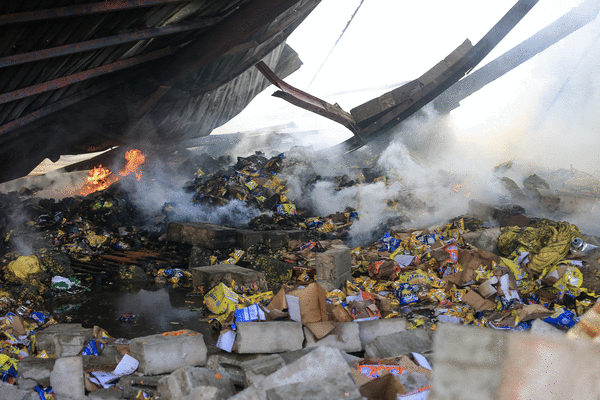
Oil rose in thin trading during the U.S. holiday as an attack on a Saudi refinery threatened to undermine a recovery in the region’s crude exports.
Brent traded near $96 a barrel after rising almost 6% over the previous two sessions. Tehran-backed Houthi rebels attacked the 400,000 barrel a day Jazan refinery on the Red Sea coast of Saudi Arabia, halting some operations, state-run Saudi Press Agency reported, citing an unnamed Energy Ministry source.
The attack marks the latest blow to the region’s oil infrastructure that included the Persian Gulf oil export hub at Ras Tanura and Red Sea ports. Another tanker was also struck in the Strait of Hormuz on Wednesday, according to a report from UK Maritime Trade Operations, following unconfirmed Iranian claims that several vessels hit mines in the waterway.
Still, shipping traffic through Hormuz has risen this month, according to data from Vortexa, even as attacks increased. The resilience of those flows has kept prices in check, with the International Energy Agency forecasting a surplus this quarter.
Trading volumes are expected to remain thin Thursday because of the U.S. Thanksgiving holiday, which could exaggerate prices moves. West Texas Intermediate trades will be booked for Friday settlement.
Global benchmark Brent has tumbled this month following the revival in crude shipments from the Persian Gulf. U.S. President Donald Trump has held off on renewed strikes on Iran after the Democratic sweep of the U.S. midterm elections, taking some heat out of the market.
There have been diplomatic efforts to try to bring an end to the near-nine-month war, but major differences remain. Tehran wants a U.S. naval blockade of its ports lifted, sanctions eased and frozen assets released, while Washington is demanding concessions related to Iran’s nuclear program.
“So long as a conclusion to the conflict remains elusive, crude oil should maintain a risk premium in pricing,” said Ryan McKay, senior commodity strategist at TD Securities.
As regional tensions persist, an Iranian drone attack on Kuwait on Thursday killed two Italian civilians working for German defense company Rheinmetall AG, according to Italy’s Ansa news agency.
Still, there have been some signs of relief in the market for fuels, which have rallied even harder than crude during the Iran war as Ukraine hit Russian refining capacity. Futures for diesel in Europe have sunk almost 30% from a peak early in the U.S.-Iran war, with a marked drop this month. Meanwhile, U.S. average retail prices at the pump have fallen from a high set in September, although they remain well above pre-war levels.
Gasoline markets continued to weaken on Wednesday, too, as the profit margin from turning crude oil into the fuel in Europe fell to its lowest level since 2023. In the U.S., the equivalent barometer dropped to its lowest since February.
The market will be closely watching an OPEC+ meeting on Sunday, as Saudi Arabia and its partners plot a course for 2027 supply. The group is considering rolling over current oil output quotas to January as it contends with uncertainties over the trajectory of the war, two delegates said.
_____
With assistance from Yurii Stasiuk and Mia Gindis.
_____
©2026 Bloomberg News. Visit at bloomberg.com. Distributed by Tribune Content Agency, LLC.






Comments