The God Squad: What have you given up for Lent?
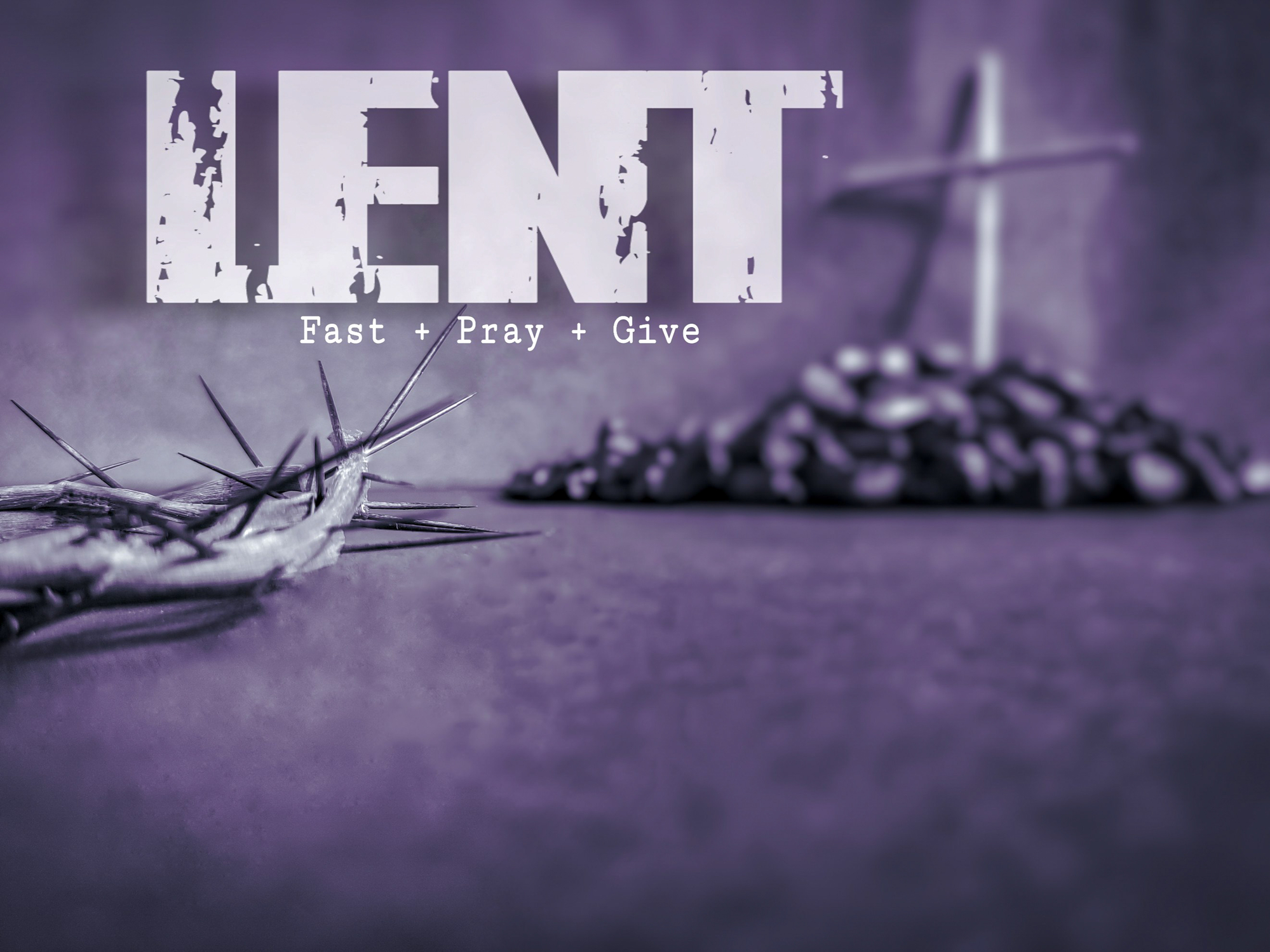
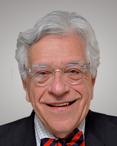
When Father Tom was alive I used to tease him about Lent which are the 40 days before Easter. When I was a kid in Milwaukee, I had Catholic friends who would beg me for my bologna sandwiches on Fridays because Friday Lenten meals for them were small and fishy. By the time Tommy and I were grown it seemed to me that meat meals had begun to sneak back into the world of Lent.
I asked Tommy about this one day as we were sharing a bologna sandwich (not during Lent) and this is what he told me.
In ancient times, Lenten fasting for Catholics meant one meal a day, no meat, eggs, butter, cheese, milk, or wine, even on Sundays.
Part of the abstinence that gave Lent its sacred power included non-dietary items like shopping for luxuries or using the internet. Others include alcohol or chocolate. The point of this fasting in all its forms was to duplicate the fasting of Jesus before he began his final mission.
Eastern Orthodox Christians observe Lent in a more restrictive form where Eastern Orthodox Christians abstain from all animal products, oil and wine.
While many Protestants, including Anglicans and Lutherans, observe Lent, the practices vary, with some choosing to focus on extra prayer or, in some cases, a "Daniel Fast," which is a plant-based diet.
Interestingly, every single religion I have studied exempts those who are ill, pregnant or nursing from fasting. Life is more sacred than rituals in every faith.
Over time the rules for fasting changed. Those aged 18 to 59 are permitted to eat one full meal, and two smaller, meatless meals that do not equal a full meal. However, the well-known tradition of “Fish on Fridays” remained strong for hundreds of years but starting in the 1960s Lent became less strict in almost every western Christian tradition. For example, many Catholics began to fast only two days a week on Ash Wednesday and Good Friday. In every tradition, however, the act of “giving something up” has remained strong. For all of these changes, though, the tradition of Lent is still a fundamental part of the yearly rhythms of Christian sacred time.
So, all of this leads me back to my interfaith curiosity about what you, my dear readers, are giving up for Lent? Please, write to me and tell me how the spiritual practice of sacrifice or fasting has helped you in your spiritual journey.
The concept of sacrifice for God is included in all our religious traditions. Please, read Isaiah 58:5-6 and you will read the prophets extreme displeasure of the hypocrisy of those who fast on Yom Kippur in Judaism but do not give up their evil ways for the rest of the year:
“Is it such a fast that I have chosen? A day for a man to afflict his soul? Is it to bow down his head as a bulrush, and to spread sackcloth and ashes under him? Wilt thou call this a fast, and an acceptable day to the Lord? Is not this the fast that I have chosen? To loose the bands of wickedness, to undo the heavy burdens, and to let the oppressed go free, and that ye break every yoke?”
God’s words through Isaiah are essential if we intend to give spiritual integrity to our fasting at any time of the year. Fasting must not only turn us away from our own needs. Fasting must turn us toward the needs of others. The Dalai Lama taught this truth:
“The greatest degree of inner tranquility comes from the development of love and compassion. The more we care for the happiness of others, the greater is our own sense of well-being.”
Also, from the Buddhist tradition through Thich Nhat Hanh:
"If our love is only a will to possess, it is not love. If we only think of ourselves, if we know only our own needs and ignore the needs of the other person, we cannot love."
In the West, this teaching that fasting and sacrifice are necessary to turn our souls outward rather than inward:
Henry Ward Beecher: "It is not what we take up, but what we give up, that makes us rich.”
Martin Luther King Jr.: “Life's most urgent question is: What are you doing for others?”
Erich Fromm: “Not he who has much is rich, but he who gives much.”
Albert Einstein: “Only a life lived for others is worth living.”
Nelson Henderson: “The true meaning of life is to plant trees, under whose shade you do not expect to sit.”
Every great teacher and every great religion and every great wisdom tradition knows the message that must come from Lent and from any other act of fasting...
A candle loses nothing by lighting another flame.
(Send ALL QUESTIONS AND COMMENTS to The God Squad via email at godsquadquestion@aol.com. Rabbi Gellman is the author of several books, including “Religion for Dummies,” co-written with Fr. Tom Hartman. Also, the new God Squad podcast is now available.)
©2026 The God Squad. Distributed by Tribune Content Agency, LLC.
(c) 2026 THE GOD SQUAD DISTRIBUTED BY TRIBUNE MEDIA SERVICES, INC.






Comments