
Environmental Nutrition: Spotlight on supplements -- ubiquinol
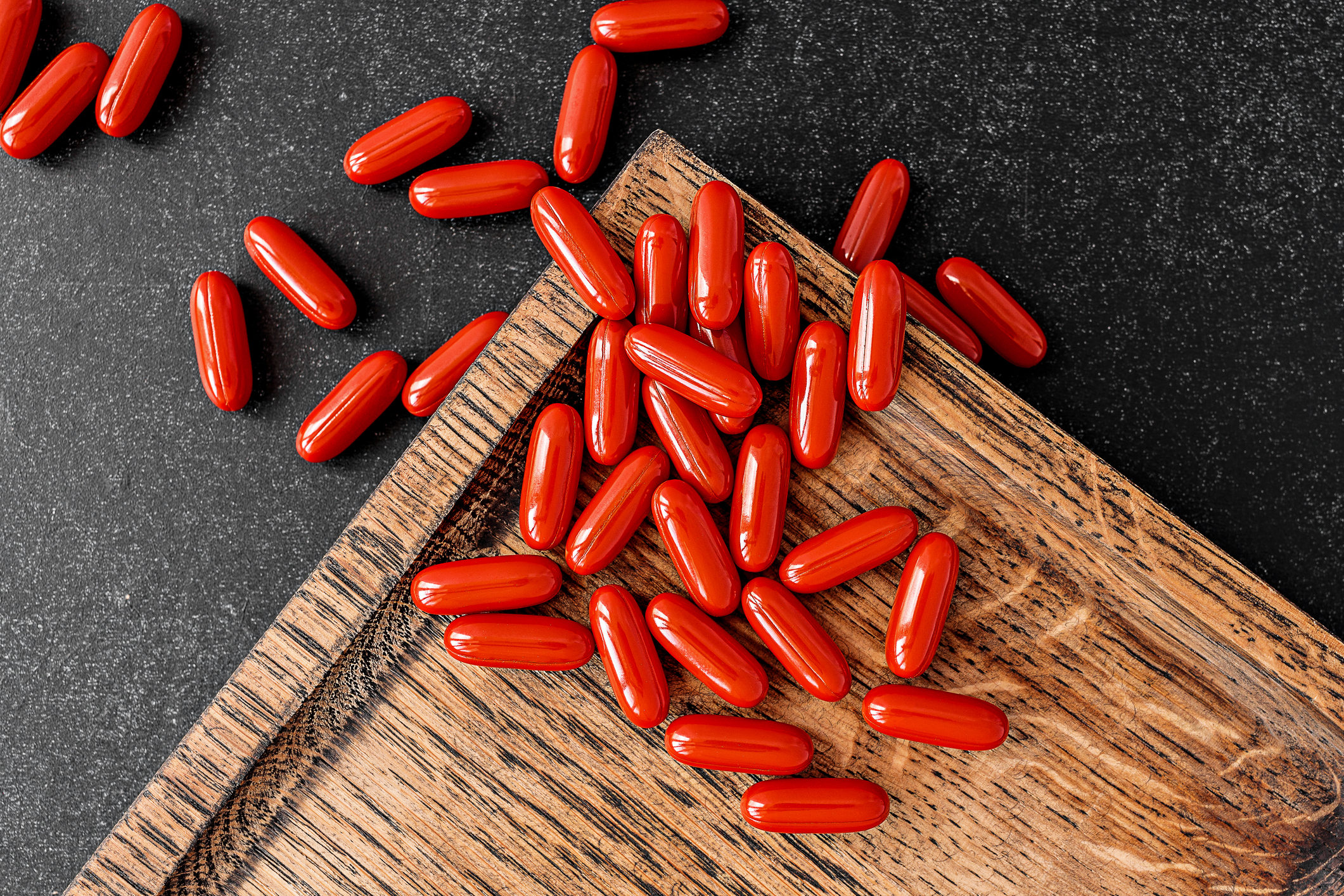
Ubiquinol is the active, reduced form of coenzyme Q10 (CoQ10), a compound naturally produced in the body and found in every cell.
History
CoQ10 was first identified in the 1950s, and by the 1970s it was being studied for its role in energy production and heart health. Ubiquinol was developed later as a more bioavailable version of CoQ10 — this means that the body can absorb and use it more efficiently. While traditional CoQ10 supplements (ubiquinone) have been widely used for decades, ubiquinol is now considered the preferred form for many people, especially older adults.
Benefits
Ubiquinol plays a critical role in the mitochondria, the powerhouses of our cells, where it helps generate ATP (cellular energy). It also acts as a powerful antioxidant. Research suggests several areas where ubiquinol may offer benefits:
Risks and safety concerns
Ubiquinol is generally safe and well-tolerated. Reported side effects are rare and mild, such as stomach upset, diarrhea or headaches. Because it can lower blood pressure or thin the blood slightly, people taking antihypertensive drugs, anticoagulants, or antiplatelet medications should consult a healthcare provider before use.
Dosage
Most supplements provide between 100 to 300 milligrams (mg) per day, usually divided into one or two doses with meals containing fat (to improve absorption). Higher doses may be used in clinical settings for specific heart conditions, but those should only be taken under medical supervision.
Bottom line
Ubiquinol is the more absorbable form of CoQ10, supporting energy production and acting as a potent antioxidant. It may be especially helpful for supporting heart health, managing fatigue, and countering potential side effects of statin use. For most people, it is safe and well tolerated at typical supplement doses. However, as with all supplements, it’s best to talk to a health care professional before starting ubiquinol, especially if you take other medications or have chronic health conditions.
(Environmental Nutrition is the award-winning independent newsletter written by nutrition experts dedicated to providing readers up-to-date, accurate information about health and nutrition in clear, concise English. For more information, visit www.environmentalnutrition.com.)
©2026 Belvoir Media Group, LLC. Distributed by Tribune Content Agency, LLC.









Comments