
Environmental Nutrition: Fabulous farro
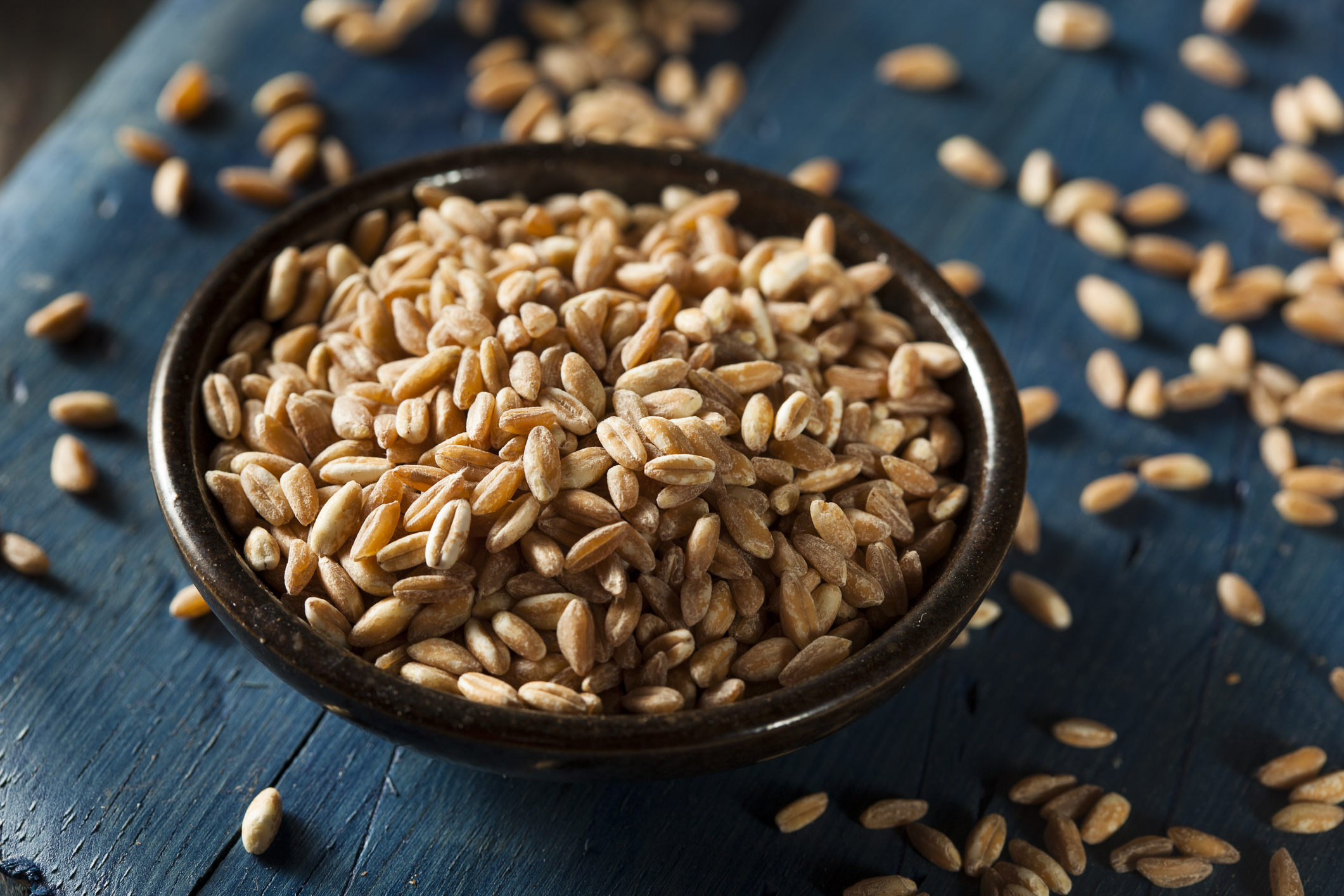
Farro is an ancient grain that’s been cultivated for thousands of years. Delicious and nutritious (rich in protein, fiber, and nutrients like iron and magnesium), farro is enjoying a resurgence among gourmets and the health conscious alike.
The folklore
Legend has it that Julius Caesar himself brought it to Italy after invading Egypt in 30 B.C. The only wheat cultivated in pharaonic times, this staple food in ancient Rome has been called the “Pharoah’s wheat.”
The facts
Farro (triticum dicoccon) is the Italian name for this hulled ancient mother grain that gave rise to modern wheat. Though often confused with spelt (triticum spelta), they are two distinct, though closely related grains. Armed with more than twice the protein and fiber of modern wheat, each grain of farro packs a nutritious punch. Not only is it rich in magnesium, niacin, zinc and iron, but it becomes a complete protein source when combined with legumes. Farro has a low gluten content with more fragile gluten molecules than those of modern wheat, making it easier to digest and even tolerable for some gluten-intolerant individuals.
The findings
As a whole grain, farro is more complex than refined grains, which have been stripped of their bran and germ. Farro contains indigestible dietary fiber, which are important to a healthy gut microbiome, and higher nutrient levels than refined grains. Research suggests an association between eating whole grains and a healthy microbiome, which may lower risk of heart disease, Type 2 diabetes, and some cancers (Comprehensive Reviews in Food Science and Safety, 2021).
The high level of fiber in farro and other whole grains has been shown to support weight loss. One study showed that compared to eating a diet of refined grains, eating whole grains significantly reduced weight loss, which may be due to increased fullness, stool excretion, and energy expenditure (World Journal of Diabetes, 2020).
The finer points
Farro is sold whole, semi-pearled, and pearled (which deter- mine cooking time) and is also available as flour and pasta. The grains look like plump barley and may be used interchangeably in recipes calling for spelt, barley and quinoa, though cooking times will vary. Look for pearlized farro (farro perlato) and prepare as you would rice: Use a two to one liquid to grain ratio, add farro to boiling water or broth, and sim- mer covered for 25 to 35 minutes to desired tenderness. Drain unabsorbed liquid. Enjoy farro in soups and stews, as a rice alternative, and in salads.
(Environmental Nutrition is the award-winning independent newsletter written by nutrition experts dedicated to providing readers up-to-date, accurate information about health and nutrition in clear, concise English. For more information, visit www.environmentalnutrition.com.)
©2026 Belvoir Media Group, LLC. Distributed by Tribune Content Agency, LLC.









Comments