Follow Christopher Columbus to the Cayman Islands
In 1503, Christopher Columbus came upon a group of islands in what today is known as the Caribbean Sea. The Arawak-Taino people who lived there called the atolls caiman (crocodile) because of the many semiaquatic reptiles with which they shared the location.
I recently followed Chris to what now are named the Cayman Islands. I left understanding that along with typical sun, sand and surf attractions; a list of alluring activities; and an intriguing history, those atolls also present a wide choice of enticing things to see and do.
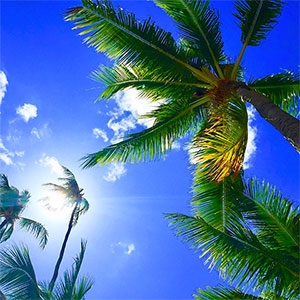
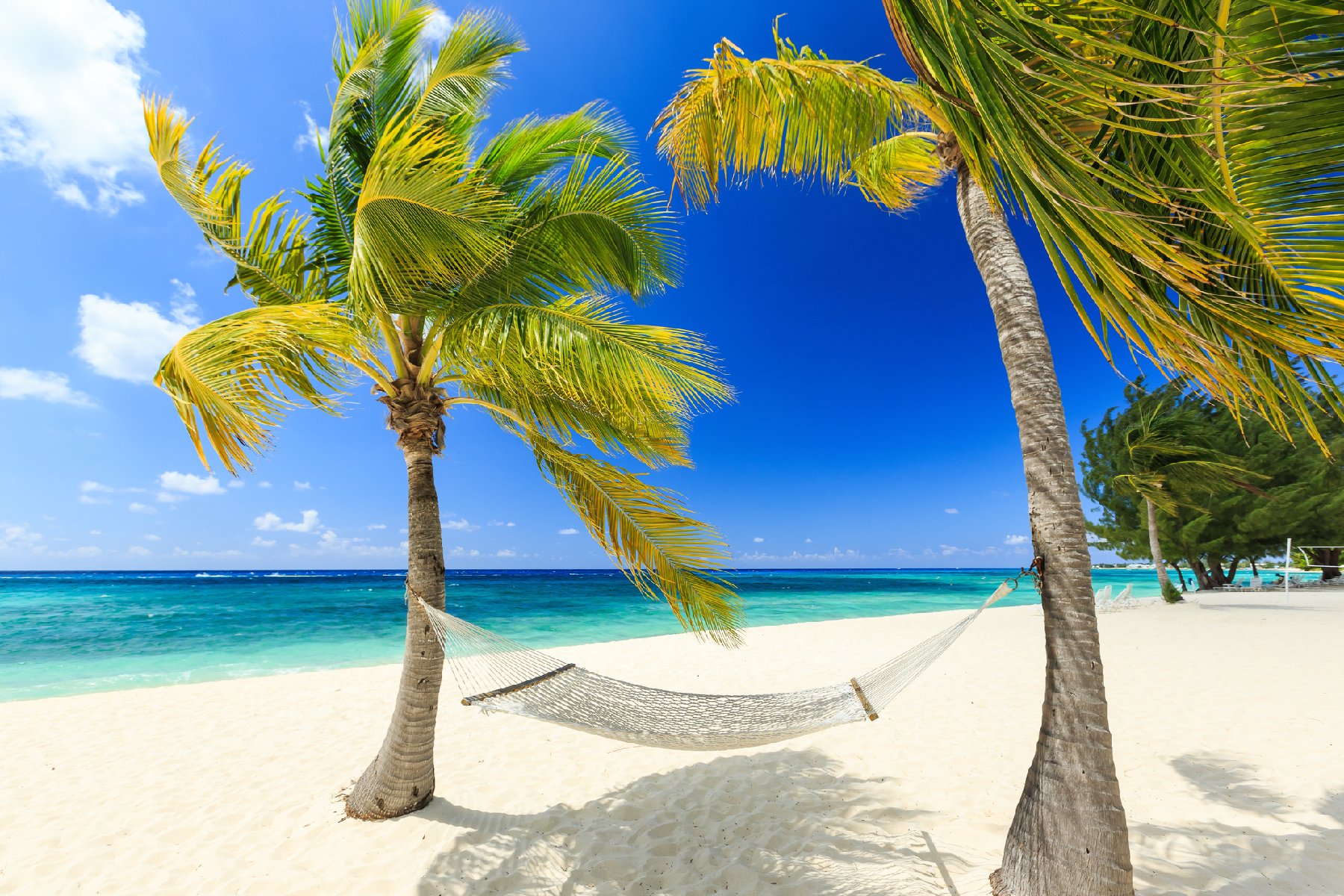
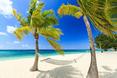
Mention Caribbean and beaches probably come to mind. Those on the Cayman Islands are varied, inviting and covered with postcard-perfect soft white sand. Seven Mile Beach on Grand Cayman, which has been shrunk by erosion to 5.5 miles long, has been named one of the Caribbean's "Ultimate Beaches" by Caribbean Travel & Life magazine.
I found Cemetery Beach, nestled at the end of Seven Mile, to be much less crowded. It is named for the adjacent burial ground, where weathered headstones relate pages from the islands' past, antiquity that is well worth recalling. Early settlers who found their way to the archipelago included shipwrecked pirates, deserters from English troops in Jamaica and others seeking a haven.
Each island offers its own attractions and activities. Grand Cayman, largest of the three (22 miles long, 8 miles wide) is home to Stingray City, a group of shallow sandbars where those unusual creatures congregate. After receiving assurances that I could walk among and even pet the strange-looking animals, I got close-up with several of them.
Little Cayman lives up -- or rather down -- to its name. It is one of the last undeveloped islands in the Caribbean, and it offers unspoiled natural beauty and relaxation.
On Cayman Brac I encountered rugged terrain and hidden caves, some of which were used by pirates to stash their treasure. This is a birdwatcher's paradise where more than 200 species of residents and migrators have been recorded.
Touring the historic Cayman Brac Heritage House, I was introduced to snippets of the past. The building is an old Caymanian home, one of a number of examples of the local heritage.
Other places also bring stories of the past to the present. The Cayman Islands National Museum keeps alive the islands' seafaring history. Intricate ship models are displayed near relics recovered from shipwrecks that dot the surrounding reefs. Visitors to the Central Caribbean Marine Institute learn about the life -- and death -- of coral, reef restoration and other solutions to declining ocean health.
I entered a very different setting at Pedro St. James, built in 1780 by an English settler who established a cotton and mahogany plantation. That "Great House" has coral-rock walls, wide verandas, shuttered windows and a slate roof brought from England. In December 1831 it hosted a meeting to form the Cayman Islands' elected parliament, earning it the title "Birthplace of Democracy."
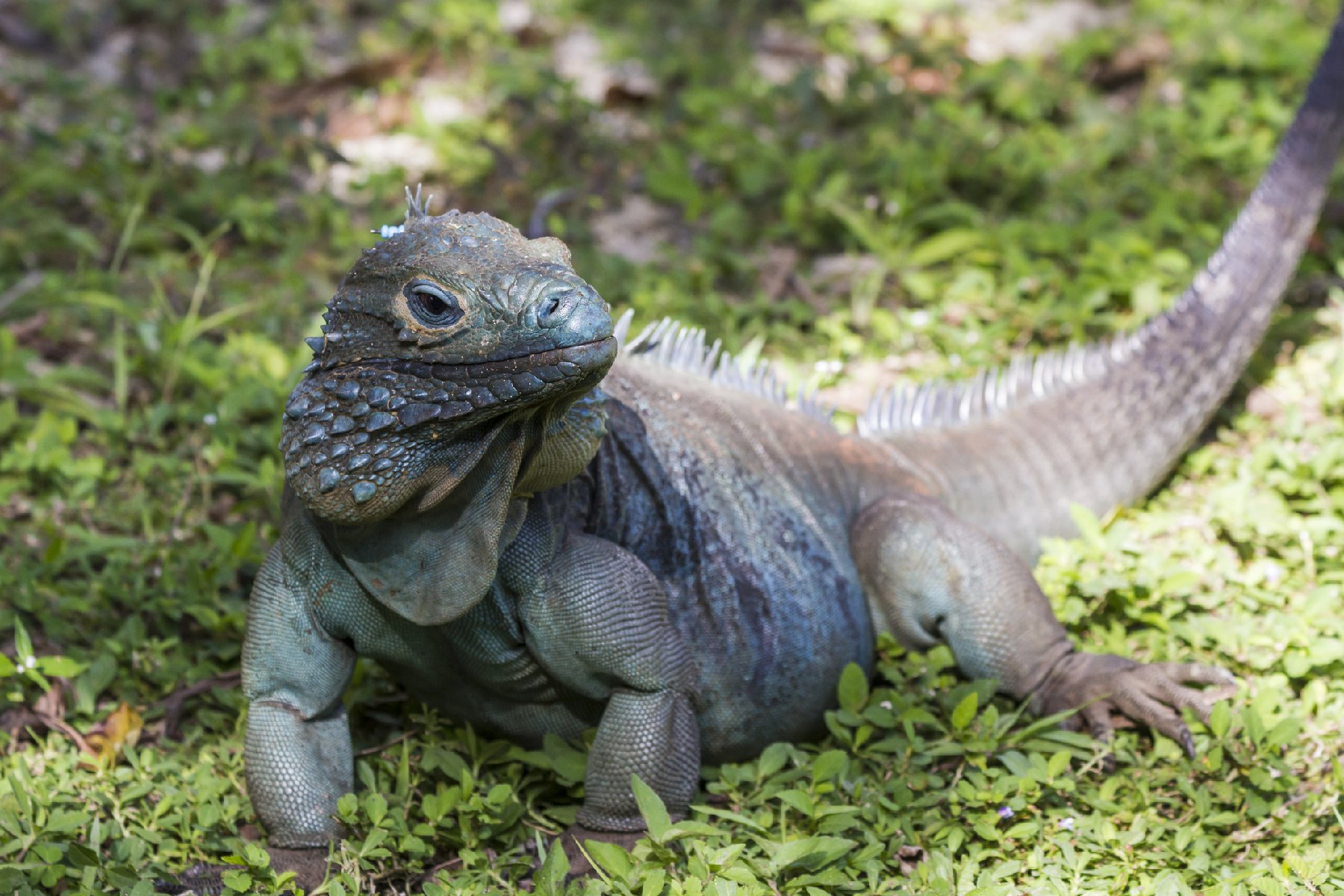
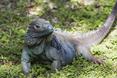
Another Caymanian house, which is more than a century old, greeted me at Queen Elizabeth II Botanic Park. It is surrounded by wetlands, forested areas and manicured gardens that serve as a haven for blue iguanas, an endangered animal endemic to Grand Cayman.
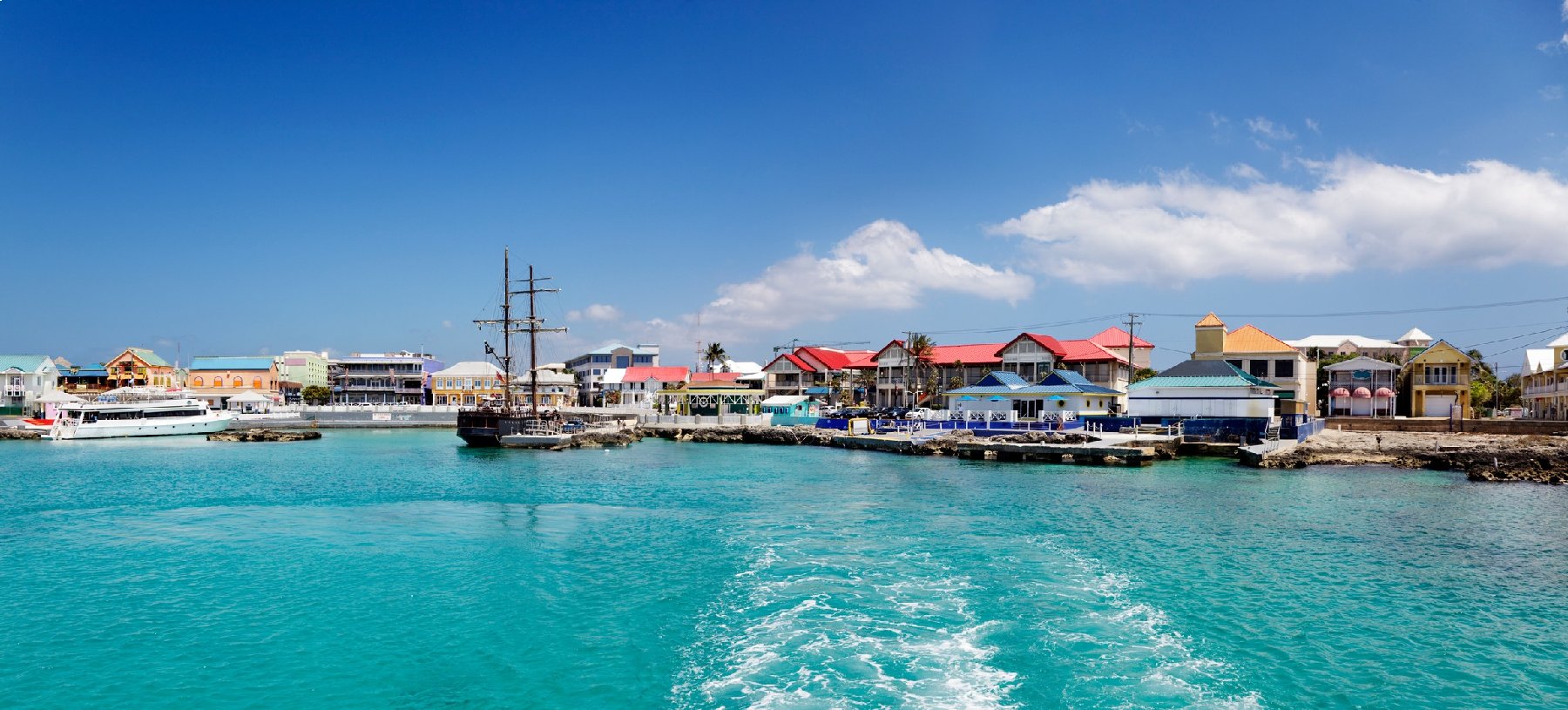
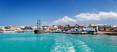
A very different scene awaits visitors to Georgetown, capital city of the Cayman Islands. Despite its relatively small size (population about 40,000), the metropolis plays a big role in the local tourism scene. Up to four cruise ships at a time can dock in the harbor, disgorging passengers eager to take advantage of tax-free shopping opportunities and experience a quick taste of what the islands have to offer.
Georgetown is the quintessential Caribbean waterfront community, with Technicolor wooden buildings that vie for attention with the surrounding natural hues. Like its smaller sister islands, most noted for its aquatic activities, there's no shortage of diversions to satisfy history buffs, landlubbers and those seeking diversions ranging from ruins of fortifications to a rum distillery to structures remaining from the 19th century.
Shopping and sun-worshipping, combined with a wide choice of other things to see and do, make the Cayman Islands an inviting destination. That's especially true when Mother Nature is battering the area where we live with winter's chill.
----
WHEN YOU GO
The Cayman Islands are the Caribbean's self-proclaimed leading luxury lifestyle destination, so it's not surprising to come upon a line of high-priced hotels along Seven Mile Beach. By contrast, The Locale offers budget-stretching accommodations, a pool, restaurant and included breakfast. Double room rates begin at $180: staylocale.com
Grand Cayman also describes itself as the culinary capital of the Caribbean, with more than 200 restaurants to support that claim. Dining options focus upon fresh seafood and traditional island specialties such as grilled or broiled fish, oxtail stew and conch prepared in many ways.
One of the factors that makes visiting the Cayman Islands convenient is that you can use U.S. money. Inviting public beaches are everywhere, and snorkelers will find colorful reefs and equally colorful marine life just offshore.
Driving cars is on the British side of streets, but the roads are well-paved, and I found most Caymanians to be cautious and courteous motorists.
For more information: visitcaymanislands.com.
=========
Victor Block is a freelance writer. To read features by other Creators Syndicate writers and cartoonists, visit the Creators Syndicate website at www.creators.com.
Copyright 2026 Creators Syndicate, Inc.
























Comments