Commentary: How do we support young people's desire to serve society?
Published in Op Eds

I never imagined that after graduating from college and working in the offices of a respected consulting firm in the Midwest, one day I would walk away from what looked like a secure and enviable path. But after months spent helping companies squeeze out higher profits, I began to wonder, like Leo Tolstoy, whether a life devoted entirely to success could ever feel meaningful.
So I left.
I traded corporate perks for the uncertainty of a spiritual vocation and committed myself to religious leadership, social entrepreneurship, adult education, academia and activism. In the years since, I have founded nonprofits, launched incubators, taught thousands of students and worked alongside people confronting some of the most pressing injustices of our time.
Such decisions are rare, exposing an unsettling moral decline in American life. The issue isn’t talent but moral guidance. Many capable youths chase high pay, influenced by peers, families and looming debt. Fields such as tech, finance and medicine are vital, but fewer opt for work that benefits the human spirit, such as teaching, supporting vulnerable populations or advocating for justice.
A generation seeking meaning faces intense economic pressures. A 2024 Deloitte survey shows 75% of Gen Z and millennial professionals value an employer’s social impact when choosing jobs. They desire purpose beyond personal gain, but few pursue nonprofit or public roles, highlighting a gap between their aspirations and actions.
The central issue is structural. Nonprofit and public-sector jobs typically pay 40% to 60% less than their private-sector counterparts. These organizations often face turnover rates exceeding 19%, a sign that idealism cannot substitute for stability. Noble motives may inspire people to begin, but they rarely sustain them through years of financial strain.
This imbalance echoes Harvard University philosopher Michael Sandel’s warning about market reasoning infiltrating civic life. We’ve commodified vocation, reducing work to cost-benefit calculations rather than a calling. This isn’t just an individual moral crisis, but a breakdown in our moral ecology, the fragile web of norms and institutions that support the common good.
As artificial intelligence takes over routine tasks, our appreciation for qualities such as empathy, compassion and wisdom becomes even more important. Sadly, our economy often doesn’t recognize the true value of those who dedicate themselves to this vital work. While we celebrate analysts for improving click-through rates, we tend to overlook teachers, social workers and caregivers, who tirelessly strengthen our social bonds each day.
To truly nurture a healthy society, then, it’s essential that we value ethical and emotional intelligence as much as technical skills.
The responsibility for correcting this imbalance should not rest solely on idealistic young people who face impossible decisions. The common idea of “earning to give,” implying one should first amass wealth and later use it for good, is based on a limited view of human nature. Aristotle noted that we become what we consistently do. If a person’s genuine calling isn’t lucrative, society ought to support making that career path sustainable, rather than expecting them to compromise their integrity.
True change will require coordination across sectors:
--Philanthropic leaders must invest directly in people powering social impact. Multiyear grants and salary stabilization funds can prevent burnout and high turnover. Foundations should dedicate 15% to 20% of their budgets to competitive compensation rather than limiting funds to short-term projects. Nonprofit leaders must adopt transparent pay scales and management practices that foster trust and retain talent.
--Government and higher education institutions must play a larger role. Rising tuition and mounting student debt discourage graduates from pursuing careers in modest-income service. The Public Service Loan Forgiveness program needs to be strengthened, and states should consider experimenting with wage supplements or targeted loan-forgiveness initiatives for teachers, social workers and civil servants. These policies are investments in the moral infrastructure of our communities.
--Communities and families must share responsibilities too. When someone leaves a lucrative job to teach in a struggling school or join a small community nonprofit, that decision should be recognized as a courageous act, not a failure. We must redefine prestige, shifting it away from those who maximize profit toward those who strengthen the common good.
Mission-driven work needs financial sustainability. Traditional charity leaves organizations financially vulnerable while serving those who can’t pay. If the Giving Pledge launched by Bill Gates, Melinda French Gates and Warren Buffett successfully channels billionaire wealth into systematic support, then those relieving suffering will be shielded from financial risks. Expanding programs such as AmeriCorps through guaranteed public-private funding would realize this. These aren’t just moral acts, but economic necessities.
As automation boosts productivity, we must focus on what machines can’t do: caring for the sick, inspiring students, rebuilding communities. The Jewish concept of tikkun olam— repairing the world — reminds us that kindness, service and virtue can’t be outsourced. Young people deserve the chance to serve without financial anxiety. Idealism should not be a sacrifice; it reflects the belief that a meaningful life is worth pursuing.
Without leadership and policies that make such paths possible, we risk losing what Rabbi Abraham Joshua Heschel called “the drive to redeem the world.”
The consulting firm I left long ago continues to recruit ambitious graduates every year. Some stay, others move on, but nearly all eventually confront the same question I once asked: What does success really mean? We owe them more than polite encouragement. We owe them structures that make moral purpose and material stability compatible.
Changing that system is not a utopian fantasy, and the choice before us is clear. We can continue to measure worth in terms of profit margins or we can begin, at last, to measure it in terms of improved lives. We’re losing the greatest young talent to the most lucrative careers.
What would be possible in our society if the most brilliant minds and committed hearts were working on social problems? We need to make it possible for them.
____
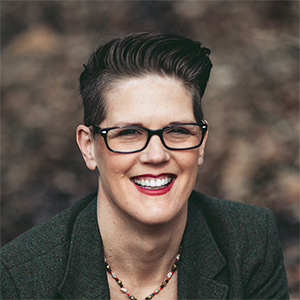
Rabbi Dr. Shmuly Yanklowitz is president and dean of the Valley Beit Midrash, founder and president of Uri L’Tzedek, founder and president of YATOM and the author of 30 books on Jewish ethics.
___
©2025 Chicago Tribune. Visit at chicagotribune.com. Distributed by Tribune Content Agency, LLC.


























Comments