POINT: Standardized tests were built for a predictable world; that world is gone
Published in Op Eds
For more than a century, American education has been driven by the same invisible engine: standardization. Rows of desks. National tests. Rankings.
From No Child Left Behind to statewide report cards, we have long measured success by what can be quantified, compared and controlled.
This model, born in the industrial age, is buckling under the weight of a new world. The challenges facing today’s students cannot be solved by scoring higher on a math exam. Climate disruption, mental health crises, the rise of AI and the strains on democracy require a different kind of learning, one that nurtures agency, resilience, ethics and interdependence.
In short, we must challenge past assumptions to imagine an education fit for the future.
Today’s students are entering a world where few will spend their careers in a single profession. Lifelong adaptability, learning new skills, navigating change and applying knowledge in new contexts have become essential. In such a world, assessments that capture what students know at a fixed moment in time say little about their potential to keep growing.
Many education systems are trapped in illusions of modernity: beliefs in simplicity, permanence, competition and control, among others. These illusions made sense in a previous era. However, they are now misaligned with the complexity and fragility of our interconnected world, as I argue in my book, “Learning as if life depended on It.”
One of the most damaging illusions is that success can be universally defined and measured. In reality, young people are asking questions: How can I make a meaningful life? How can I make life better for others and the planet? The answers to such questions are not found in class rankings or rigid curricula.
In the United States, the pressures of high-stakes testing and narrow success metrics have contributed to teacher burnout and student disengagement. We also see growing movements calling for change: project-based learning, competency-based assessment and new models of student voice. These are not fringe ideas. They signal that the old model is approaching its limits.
Instead of asking how to improve the current system incrementally, we should be asking a deeper question: What is the purpose of education today? If it is merely to sort individuals into roles within an economy, then we will continue to underprepare them for the moral and planetary challenges ahead. However, if it is to help fully form human beings, young people who are curious, collaborative and courageous, then we must change not only what we teach but how we think about learning itself.
This doesn’t mean abandoning structure or accountability. It means being clear about what matters most and designing systems that reward the learning we value. This might involve assessing how students collaborate across cultures, resolve conflicts and learn from failure. These things are harder to measure, but far more vital.
The future of education will not be built by doubling down on past models. It will emerge from those willing to ask hard questions, listen deeply and redesign for relevance. For U.S. school systems, this is an opportunity not just to reform but to reimagine.
As we move deeper into the 21st century, we must remember that standardized tests were never meant to prepare students for an unpredictable world. They were meant to control a predictable one. That world is gone. Let us build the next one by reimagining what learning can be.
_____
ABOUT THE WRITER
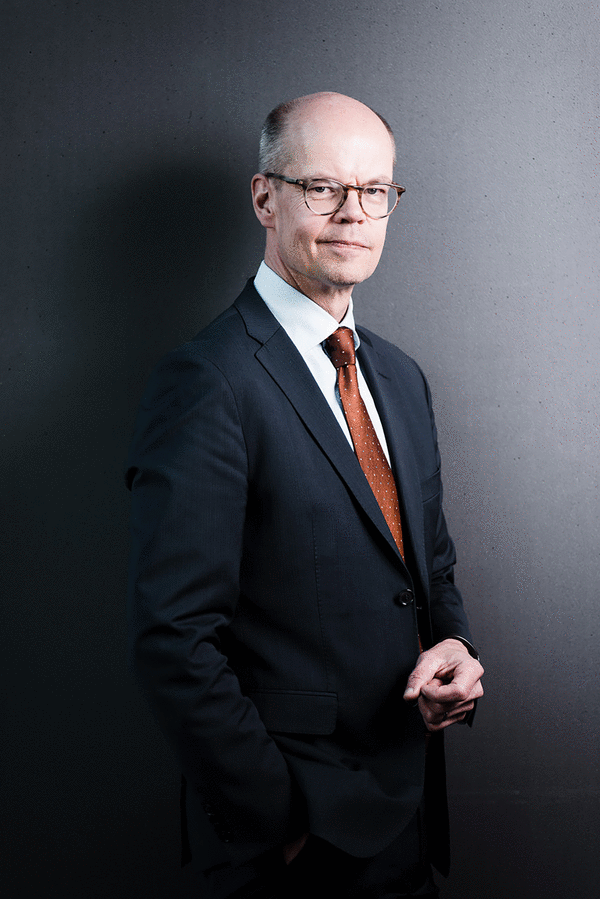
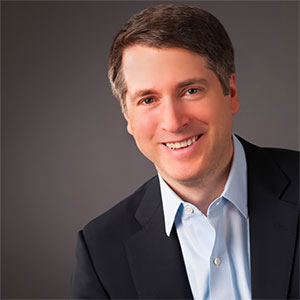
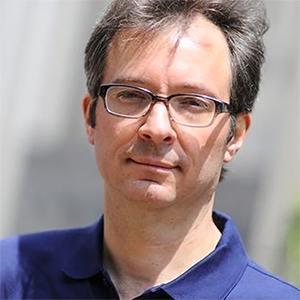
Olli-Pekka Heinonen is the director general of the Switzerland-based International Baccalaureate, an education framework implemented in 1,900 U.S. schools. His book, “Learning As If Life Depended on It,” was published in November. He wrote this for InsideSources.com.
_____
©2025 Tribune Content Agency, LLC






















Comments