Commentary: How to help those living with dementia beyond awareness and education
Published in Op Eds
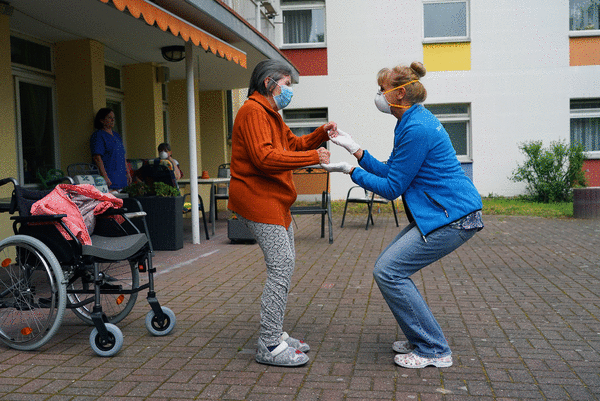
A terrible irony of dementia — which can result in the inability to recognize people and places — is that the condition itself does not get the worldwide recognition it deserves.
Until now.
The United Nations recently announced a plan to address major neurological disorders, such as dementia. This is particularly significant because many countries do not always understand or treat the condition, which affects more than 57 million people worldwide. The U.N. action, though overdue, is welcome news for those of us working to raise awareness and improve the lives of people living with dementia and their care partners. Unfortunately, too many people and families are struggling with the condition and need more assistance.
As a condition, dementia is not a single disease. Instead, it is an umbrella term — a syndrome with a wide array of symptoms caused by one or more underlying pathologies affecting the brain. Just as the term “cancer” refers to numerous forms of the disease, dementia encompasses wide-ranging impacts to cognition, including memory loss, difficulty with language, muscle motor skill deterioration, behavioral changes, and impacts to decision-making and problem-solving.
The syndrome of dementia is one of the most critical health care challenges of our time. A recent study from the University of Southern California found that this year, there are 5.6 million people living with dementia in the United States, with 5 million of those ages 65 and older. The Centers for Disease Control and Prevention calculates that more than 11 million adults provide unpaid care for someone living with dementia. The annual cost of dementia in the U.S., inclusive of medical care and foregone earnings of care partners, is $781 billion. As our population ages, we can expect that the condition will become more prevalent and the emotional and economic burdens on families will grow.
While there are currently no cures or ways to reverse dementia permanently, there are three vital ways families and communities can plan for and work to address the syndrome that can make a real difference.
Increase awareness
Knowledge fights fear. Facilitating education about dementia by using nonmedical, jargon-free language helps families understand what they are facing and reduces the stigma that makes isolation worse. Organizations such as the Dementia Society offer crucial resources that help people navigate this journey and support their loved ones living with dementia.
Fund research
We need more research into what triggers cognitive decline and how to protect brain health. To advance cures, interventions and meaningful therapies, it is critical to support early-stage research aimed at better understanding of possible upstream triggers of cognitive impairment, as well as underappreciated approaches to enhance brain health.
Enrich life
Living with dementia does not mean that life stops — it means that life changes. Communities across America are pioneering compassionate approaches that preserve dignity and create moments of joy: memory cafes where people gather without judgment, music therapy programs that unlock memories through familiar melodies, art classes adapted for changing abilities, and dementia-friendly businesses training staff to offer patient, respectful service.
These efforts prove a fundamental truth: While we cannot yet cure dementia, we can radically improve how people live with it. When we invest in quality of life, we honor the humanity of every person facing cognitive decline.
The U.N.’s announcement matters because it elevates dementia from a private family burden to a global public health priority. Yet, the response to this crisis will be measured not in international resolutions but in local action.
For the 57 million people currently living with dementia, the syndrome is now our shared responsibility to work together to address.
____
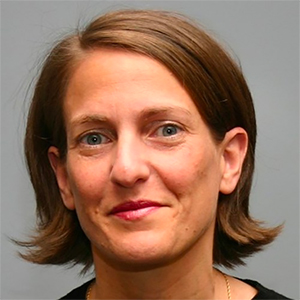
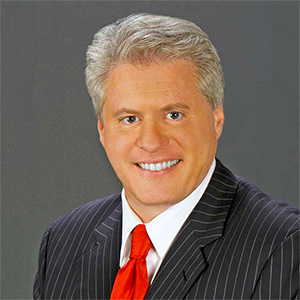
Kevin Jameson is CEO of Dementia Society of America (DSA), a volunteer-driven nonprofit based in the Philadelphia area. Jeannine Forrest, Ph.D., directs the Dementia Horizons Academy, an educational program at the DSA, and lives in Chicago.
___
©2025 Chicago Tribune. Visit at chicagotribune.com. Distributed by Tribune Content Agency, LLC.
















Comments