Commentary: Federal policy ignores the most perilous weeks of addiction treatment
Published in Op Eds
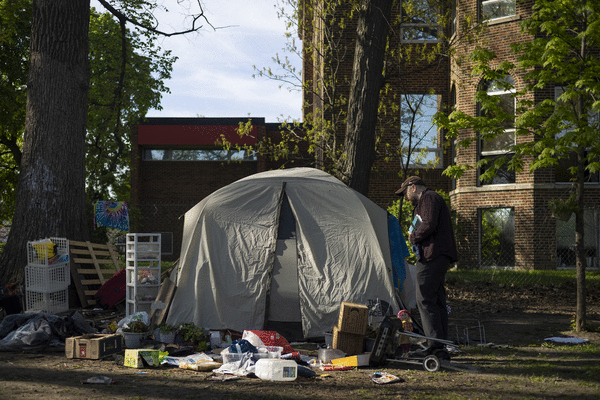
Federal agencies are preparing new guidance on recovery housing, transitional housing and long-term recovery supports. The shift comes at a time when communities face growing pressure from rising addiction, repeat overdoses, and a widening gap between treatment and stable housing. Programs serving people in recovery need clearer expectations, stronger coordination and sustainable funding that reflects current realities.
Many people who participate in homelessness or crisis services today carry a mix of untreated addiction, chronic health conditions and long periods of instability. Short treatment episodes often end before people regain the skills required for independent living. Communities benefit from programs that offer routine, counseling, peer support and daily engagement so residents can rebuild the foundation needed for long-term stability.
I run the Second Story Foundation in Illinois. Our program provides long-term recovery housing at no cost, and residents take part in daily structure, counseling, employment preparation and community reintegration. Many arrive with limited recovery capital. They may have no income, no ability to navigate appointments and no stable support network. With time in a consistent environment, they develop the capacity to work, reconnect with family and move toward permanent housing.
Federal policy is beginning to reflect these needs. Agencies are signaling support for recovery housing models that include clear participation expectations and drug and alcohol free environments when clinically appropriate. Recovery community organizations and peer specialists are also gaining wider recognition as essential partners. Their ongoing guidance helps people stay engaged after treatment and provides continuity during the long process of rebuilding stability.
Tens of thousands of people leave short-term residential addiction treatment programs each year in the United States, but the period immediately after discharge is where the system often breaks down. Many leave without income, transportation, a housing plan or reliable follow-up care, and the first weeks carry the highest risk of relapse or overdose.
Yet they have already shown commitment by completing treatment and engaging with clinical staff. Federal and state systems should meet that investment with a second stage of support that includes long-term recovery housing, peer guidance, practical skill-building and structured daily expectations.
The Department of Housing and Urban Development is also placing more attention on transitional housing with structured services. Programs that combine case management, routine skill-building, preparation for steady employment and consistent daily structure help residents stabilize more effectively. Strong coordination with health providers and community recovery organizations creates a more reliable and connected system of care.
Connections to workforce partners are another important part of the solution. Regular work gives people a routine they can count on and helps them keep moving forward in their recovery. A steady paycheck brings stability and lets residents handle more of their own responsibilities. Employers gain workers they can depend on, and the community benefits from a stronger, more consistent workforce.
Federal and state leaders can strengthen this progress by investing in programs that combine recovery housing, counseling, peer support and job readiness. These programs cost far less than prolonged reliance on emergency services by people who are unhoused and repeated involvement with law enforcement. They also expand the range of interventions available to local agencies that face record demand.
Recovery is a long process. People need housing, routine and support that continue after formal treatment ends. Federal policy is moving toward a more realistic understanding of what long-term recovery requires. Communities can build on this momentum by supporting programs that are compassionate, practical and designed for lasting stability.
____
Jim O’Connor is founder and executive director of Second Story Foundation, a Chicago-area nonprofit that provides long-term recovery housing, job training and community support for men rebuilding their lives after substance use disorder.
_____
©2025 Chicago Tribune. Visit at chicagotribune.com. Distributed by Tribune Content Agency, LLC.


















































Comments