Lisa Jarvis: Health-care costs are forcing terrible trade-offs
Published in Op Eds
Earlier this month, as I waited to pick up a prescription at my local CVS, I watched a man leave without his elderly father’s medication. The pharmacist had tried several tricks to lower the cost. It wasn’t enough. When the man heard the bottom line, he stuffed his hands in his pockets and, after a long, awkward silence, walked away.
That’s become a depressingly common scene. Americans are struggling to pay for their medicines, living in fear of health emergencies, and skipping out on basics like meals in order to cover their insurance premiums. Increasingly, they are going without insurance altogether.
That strain is showing up in a slew of recent surveys that point like a neon arrow to a growing problem for the Trump administration: Health care has become unaffordable for most Americans. A bigger problem? Most of Trump’s policies announced so far will make the situation worse.
The latest polling data underscoring the challenges Americans face comes from health-policy researchers at KFF, and offers the first glimpse at the fallout from the recent loss of Affordable Care Act subsidies. Without those tax credits, premiums for marketplace plans have soared, leading to monthly bills that are double their previous cost or even more.
The KFF survey, conducted in late February and March, follows up on a group of ACA customers previously interviewed in November amid a fierce congressional battle over extending the Biden-era subsidies. These had significantly lowered the cost of higher-quality insurance and brought millions of new enrollees into the marketplace, including many who work for small businesses or are self-employed.
The survey’s findings are “not pretty,” the president and chief executive officer of KFF, Drew Altman, told reporters on a call to discuss the data. Some 80% of people enrolled in marketplace plans say costs like monthly premiums and deductibles have gone up, and it’s straining their budgets. “More than half [tell] us they can’t afford food or other basic needs because of their new, higher health-care costs,” Altman said.
One in 10 people have dropped coverage altogether, and one in six people who kept it said they weren’t sure they could afford their plan for the entire year. Meanwhile, about a quarter of enrollees have transitioned to cheaper, high-deductible plans that could be financially disastrous if they experience a health emergency.
The situation could worsen still. In the past, subsidies automatically renewed from year to year, but a little-noticed provision in the One Big Beautiful Bill Act will end that practice in 2028, notes Adrianna McIntyre, a health-policy expert at the Harvard T.H. Chan School of Public Health. Given many people allow their plans to roll over, the concern is they will find their premium in 2028 has skyrocketed — and if they don’t notice during the grace period to change it, they could end up dropping coverage altogether.
It’s not just people relying on ACA plans and public insurance who are struggling with affordability. Most Americans under 65 get insurance through their employers, and they, too, are feeling the strain. Four in 10 people with private insurance say their health-care costs rose in the past year, according to a survey recently released by the Employee Benefit Research Institute. A third of the privately insured said they had trouble paying other bills, and a quarter reported putting less money in their retirement funds because of health-care costs.
A recent Gallup poll underscored the terrible trade-offs many are making to access care. The insured and uninsured alike are skipping meals, borrowing money, stretching out their medicines and cutting back on other essentials to pay for doctors’ visits or prescriptions.
That poll was released this month, but it was conducted last summer. Given the worsening situation in 2026, it’s not hard to imagine next year’s data will look bleaker.
That’s because, so far at least, Trump’s policies do little to improve the situation for most Americans — and if anything will make it worse. The president’s signature OBBB introduced new work requirements for Medicaid that are expected to leave millions more uninsured when they kick in next year.
Trump has focused much of his policymaking on lowering the cost of prescription drugs, an issue that resonates with Americans regardless of their insurance status. A separate KFF poll conducted in recent weeks found that the public is increasingly worried about being able to pay for their medications.
Yet Trump’s two main efforts — benchmarking U.S. drug prices to those in other wealthy countries and launching the direct-to-consumer portal TrumpRx — haven’t done much to reduce what consumers actually pay for medicine. The White House’s much-vaunted “most-favored nation” deals with drug companies were billed as correctives to the longstanding imbalance between the high prescription prices paid by Americans and the comparatively cheap cost enjoyed by their peers abroad. But recent comments by Chris Klomp, a top federal health official, suggest the administration is more focused on getting other countries to raise their drug prices, rather than convincing companies to lower them in the U.S.
Klomp’s remarks also highlighted a flaw in the most-favored nation plan: Companies could put off launching their products abroad, leaving them without a comparison when federal health officials are negotiating prices in the U.S. In the end, the benefits of Trump’s deals are looking murkier by the day.
Meanwhile, TrumpRx only helps people who pay out of pocket for their medicine, and even they don’t seem to be getting a good deal. A recent analysis by the left-leaning policy think tank Center for American Progress found that of the 54 drugs listed on the portal, just one — the IVF medication Cetrotide — was cheaper than currently available generic drugs or products found on sites like GoodRx.
The rising cost of health care might have predated Trump’s second term, but his policies are exacerbating it. The consequences aren’t subtle, either. They’re being felt every day by ordinary Americans forced to consider what they are willing to give up just to stay healthy.
____
This column reflects the personal views of the author and does not necessarily reflect the opinion of the editorial board or Bloomberg LP and its owners.
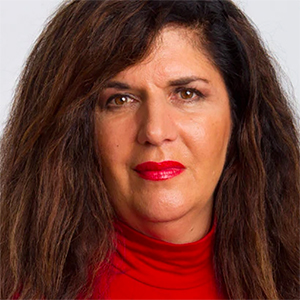
Lisa Jarvis is a Bloomberg Opinion columnist covering biotech, health care and the pharmaceutical industry. Previously, she was executive editor of Chemical & Engineering News.
©2026 Bloomberg L.P. Visit bloomberg.com/opinion. Distributed by Tribune Content Agency, LLC.







































Comments