ICE immigration tactics are shocking more Americans as US-Mexico border operations move north
Published in Political News
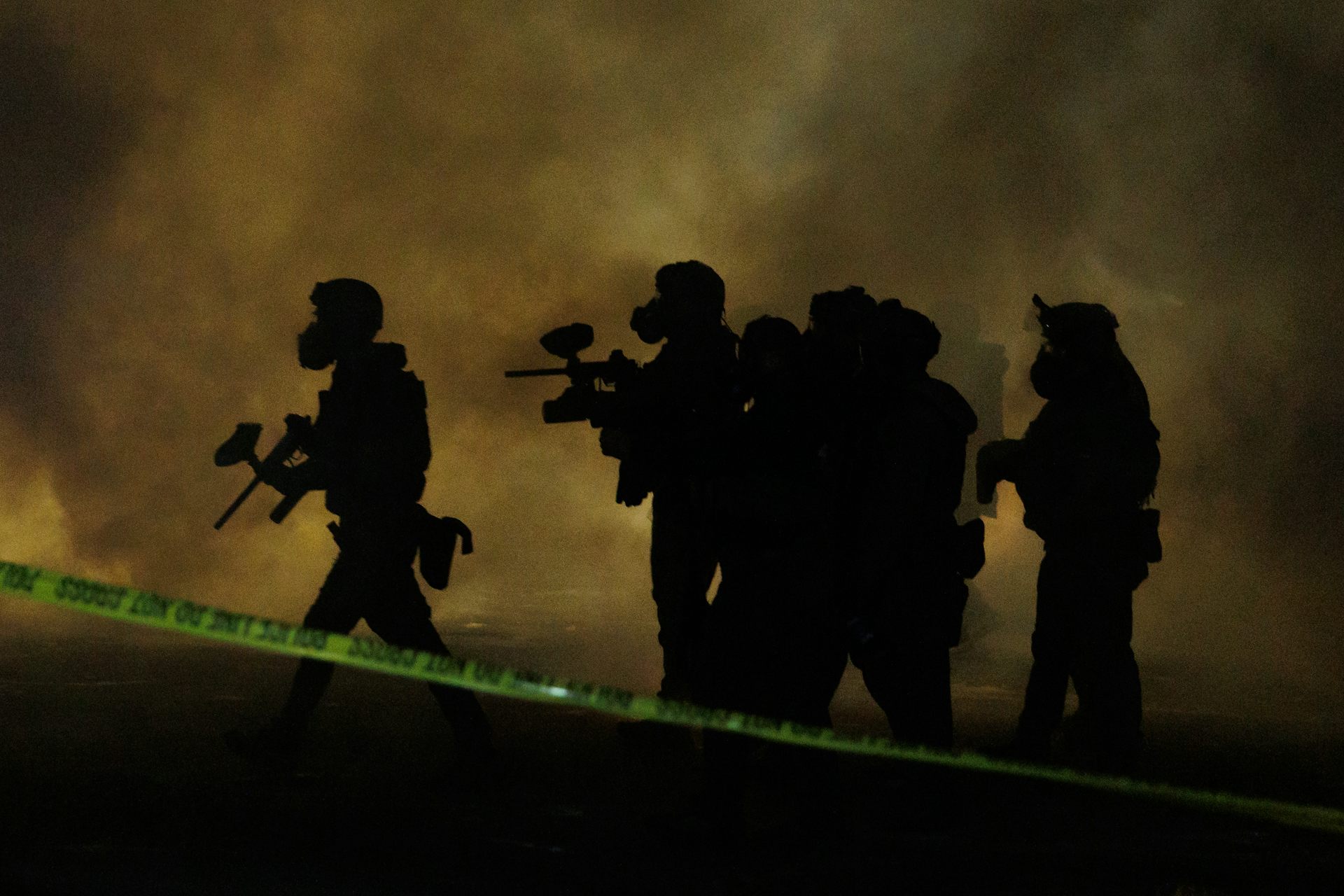
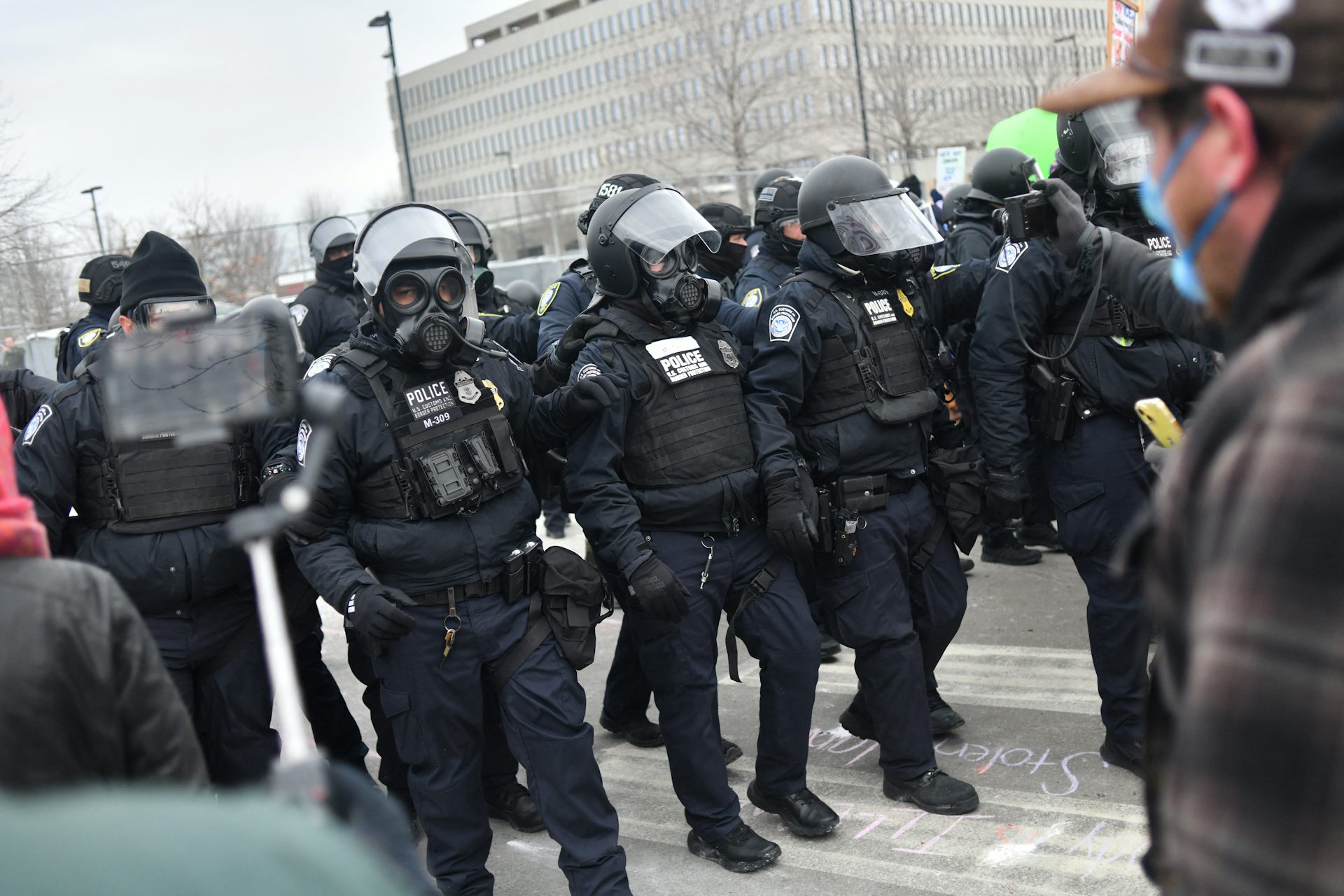
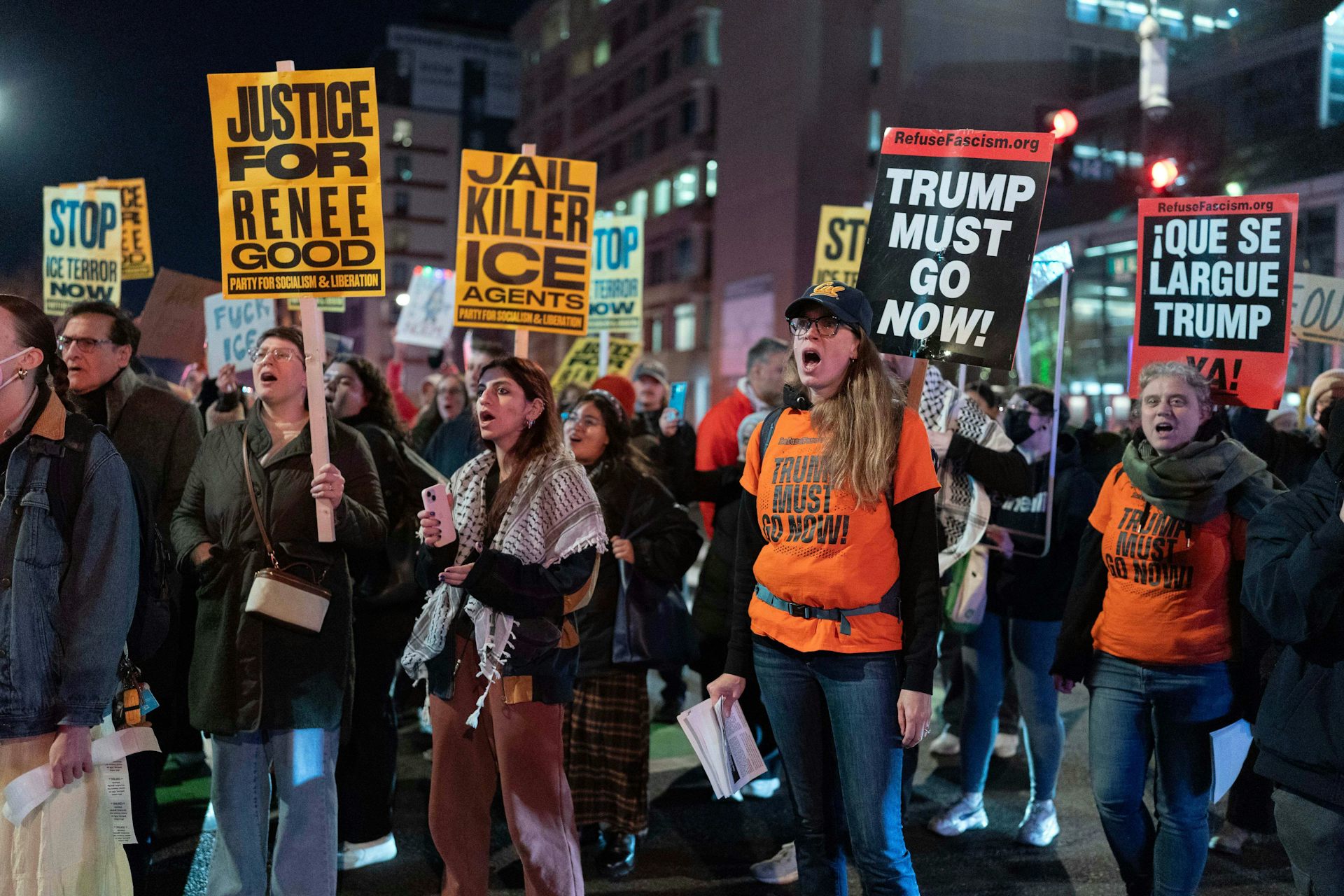



Over the past year, images of masked, heavily armed Immigration and Customs Enforcement agents arresting men, women and children – outside of courts, at schools and homes – have become common across the United States.
The video of an ICE agent shooting and killing Renee Nicole Good – a U.S. citizen – in Minnesota on Jan. 7, 2026, is one example of the brazen, sometimes deadly tactics that the agency employs.
Part of the reason why recent ICE tactics have shocked Americans is because most people haven’t seen them before. Historically, the country’s militarized immigration enforcement practices have played out closer to the U.S.-Mexico border. And for decades, agents with Customs and Border Protection have carried out most deportations near the border, not ICE.
From 2010-2020, nearly 80% of all deportations were initiated at or near the U.S.-Mexico border. During the COVID-19 pandemic, that number jumped to 98%, as both the Trump and Biden administrations utilized Title 42, a public health statute that allowed the government to rapidly deport recently arrived migrants.
But Trump during his second presidency has greatly shifted immigration enforcement north into the interior of the U.S. And ICE has played a central role.
As international migration and human rights scholars, we have examined recent federal immigration policy to determine why ICE has become the main agency detaining and deporting migrants as far away from the southern border as snowy Minnesota.
And we have also explored how the transition in immigration control from the southern border to more Americans’ front lawns could be shifting the public’s views on deportation tactics.
ICE is a relatively new agency. The 2002 Homeland Security Act, passed in the wake of the Sept. 11, 2001, terrorist attacks, created the Department of Homeland Security, known as DHS, by merging the U.S. Customs Service – previously under Treasury Department control – and the Immigration and Naturalization Service, formerly under the Justice Department.
DHS has 22 agencies, including three that focus on immigration: Customs and Border Protection, ICE and U.S. Citizenship and Immigration Services, which manages legal immigration and naturalization.
There is no inherent reason that immigration enforcement should fall under homeland security. But immigration was deemed a national security matter by the George W. Bush administration after 9/11.
In a 2002 presidential briefing justifying DHS’s creation, Bush said, “The changing nature of the threats facing America requires a new government structure to protect against invisible enemies that can strike with a wide variety of weapons.”
The U.S. government has viewed immigration from this national security perspective ever since.
The Trump administration in early 2025 set a goal of deporting 1 million people during its first year.
But with so few crossings, and thus deportations, at the U.S.-Mexico border, the administration instead has focused its efforts on the U.S. interior.
Trump’s 2025 tax and budget bill reflected this reprioritization, allocating US$170 billion over four years to immigration enforcement, compared to approximately $30 billion allocated in 2024.
Roughly $67 billion goes toward immigration enforcement at the border, including border wall construction. But the largest percentage of the bill’s immigration funding – at least $75 billion – goes toward arresting, detaining and deporting immigrants already living in the U.S.
The Trump administration did not initiate deportations from the U.S. interior. They have formed part of other administration’s policies, both Democratic and Republican.
Interior border enforcement increased under President Bill Clinton in the 1990s with the introduction of the 1996 Illegal Immigration Reform and Immigrant Responsibility Act, which widened the criteria for deportations. And former President Barack Obama was referred to as the “Deporter in Chief” after his administration carried out more than 3 million deportations over his two terms, with roughly 69% of deportations occurring at the border.
But the astronomical growth of government funding toward migration control – at the border and in the U.S. – got the country to where it is today.
Between fiscal year 2003 and 2024, for example, Congress allocated approximately $24 toward immigration enforcement carried out by ICE and CBP for every $1 spent on the immigration court system that handles asylum claims.
The new money allocated under the 2025 budget bill, and the reprioritization of immigration enforcement from the border to the interior, partly explains why Americans are now seeing the long-term consequences of border militarization play out directly in their communities.
Americans may not know about the experiences of migrants who are quickly deported near the border, but it is harder to ignore recent images of people snatched up within their own neighborhoods.
Now the visible targets of border enforcement are increasingly immigrants who have built their lives in the U.S. – neighbors, friends, co-workers – as well as anyone who opposes ICE’s tactics, like Renee Good.
In fact, the violence of Trump’s mass deportation campaign may be changing how Americans view immigration.
Just before the 2024 presidential election, a Gallup Poll found that 28% of Americans believed that immigration was the most important problem facing the nation – the highest percentage since Gallup began tracking the topic in 1981. This number dropped to 19% in December 2025, reflecting how more Americans see immigration as a routine issue that the government can manage rather than a crisis that needs to be dealt with.
This is supported in the academic literature. Migration scholars have shown that voters often support strict immigration policies in the voting booth but resist and protest when governments attempt to implement those policies in organized immigrant communities.
In 2002, for example, migration scholar Antje Ellermann documented that immigration officers reported it was more difficult to detain and deport people in Miami – because of resistance by a politicized immigrant community – compared to relatively conservative and less organized communities in San Diego.
But in both places, Republican and Democratic lawmakers were influential in intervening in individual cases to prevent deportations. This is because senior immigration officials, Ellermann noted, were influenced by media attention and pressure by members of Congress to grant relief.
Support for Trump’s handling of immigration is trending downward. Only 41% of Americans approved of Trump’s approach to immigration as of early January 2026, compared to 51% in March of last year, according to CNN polling.
This declining support for Trump’s tactics comes as Republican senators such as Thom Tillis of North Carolina, Lisa Murkowski of Alaska and Joni Ernst of Iowa have criticized ICE and its operations in Minnesota.
This article is republished from The Conversation, a nonprofit, independent news organization bringing you facts and trustworthy analysis to help you make sense of our complex world. It was written by: Kelsey Norman, Rice University and Nicholas R. Micinski, American University
Read more:
Federal immigration enforcement near schools disrupts attendance, traumatizes students and damages their academic performance
Filming ICE is legal but exposes you to digital tracking – here’s how to minimize the risk
A government can choose to investigate the killing of a protester − or choose to blame the victim and pin it all on ‘domestic terrorism’
The authors do not work for, consult, own shares in or receive funding from any company or organization that would benefit from this article, and have disclosed no relevant affiliations beyond their academic appointment.






















































Comments