Life Time's embrace of 'athletic country club' approach is working
Published in Business News

Life Time is leaning into premium offerings and higher prices, a bet that’s paying off.
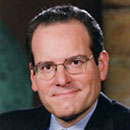
Founder and CEO Bahram Akradi said the fitness company continues to move away from a traditional gym model built on large numbers of infrequent users.
Instead, it is building what he calls “a social, athletic country club environment.”
Custom scent blends waft through clubs. Studios are dedicated to Pilates, cycling and hot yoga. A concierge greets each person who walks in. Cafes, recovery areas and coworking spaces are reserved for members. Many of its clubs offer spas and wellness and chiropractic services, too.
It’s all part of Life Time’s pitch to people “passionate about wanting the best,” Akradi said in an interview.
As companies across industries struggle to reach both upper-income and middle-class consumers, Life Time is aiming for the high end of the K-shaped economy, a term describing America’s widening wealth gap. The strategy helped more than double its 2025 profit in a highly competitive industry with no clear dominant player.
The Minnesota-based company plans to spend $875 million to $915 million to open 14 new clubs and remodel others in 2026 — more than the past two years combined. All new locations will follow the country club model, Akradi said on the company’s fourth-quarter earnings call.
The country club approach builds on the company’s push toward higher-income, highly engaged members, which could insulate the company during economic slowdowns, Jefferies analyst Randal Konik wrote in a recent research note. He added that the median household income for members is about $158,000.
Lower-cost gyms, he wrote, may be more vulnerable as consumers pull back — a dynamic that has drawn attention as economists highlight the K-shaped economy.
Planet Fitness, for example, operates more than 2,000 locations and reported strong growth in 2025. But its outlook fell short of expectations, raising concerns that price-sensitive customers may be more reluctant to pay for a gym membership this year.
Life Time, by contrast, operates more than 185 clubs and increased membership dues last year by about $10 to $30 per member. Despite the higher prices, total memberships, including those on hold, increased modestly, topping 870,000.
The company’s revenue rose more than 14% in 2025 to nearly $3 billion as it opened 10 new locations. It was also named to Fortune’s 2025 list of the 100 fastest-growing companies.
By industry standards, Life Time falls between a traditional fitness center and a boutique studio, offering services typical of big-box gyms while expanding its lineup of specialized classes.
Like others, Life Time struggled to rebound after the pandemic. But it now faces fewer challenges than boutique studios, such as Orangetheory Fitness, which was once the industry’s fastest-growing segment.
Akradi, the highest-paid CEO last year among Minnesota’s public companies, acknowledged the economic divide but said it doesn’t fundamentally change how Life Time operates.
“As a business, you have to be focused on delivering a particular product and experience,” he said. “There will be enough people who appreciate that.”
The shift toward a higher-end clientele has caused some blowback. A year ago, Life Time replaced the full-size basketball court at its Target Center club with state-of-the-art cardio training and other amenities, prompting an outcry from some longtime members.
But its success has allowed it to raise dues and add waitlists, which helps it maintain an equilibrium of visitors. Life Time’s goal is for members to visit 10 to 12 times a month, a far more frequent cadence than typical gyms.
“There is a limit to the number of visits per day where we can deliver an optimal experience,” Akradi said. “Too empty is hard. Too full is impossible.”
Dues vary by location, amenities, usage, income and how far members travel, according to a UBS report.
At newer locations such as in Rosemount, a signature membership starts at $199 a month and includes access to workout spaces, classes and pools, along with select area clubs. About eight miles northwest at the company’s older Eagan location, memberships start at $179, with discounts for younger and older members.
In Edina, memberships start at $299 and include access to all 25 Twin Cities locations. A separate membership is required for Life Time Work, the company’s coworking concept, which offers private offices, desks and lounge access along with club entry.
Katy Baune said the Kids Academy at the Rosemount location, which provides up to two hours of daily child care with a junior membership, gives her time to unwind, read and connect with other members, even on days she doesn’t use the fitness space.
More Americans are joining health clubs, with memberships exceeding more than 20% of the population, according to a 2025 report from the Health & Fitness Association.
That growth reflects a broader push across the industry to attract health-conscious consumers. It has also been influenced, in part, by the “Make America Healthy Again” movement, which has drawn controversy for positions including opposition to childhood vaccines and fluoride in drinking water.
Among Life Time’s more ambitious bets is Miora, a hybrid spa and health clinic offering weight-loss support, including GLP-1 drugs, hormone therapy and peptide supplements. The concept has eight locations nationwide.
It’s also expanding its spa services, a supplement line, and chiropractic and rehabilitation care. Analysts say the broader health and wellness market already totals $70 billion.
“We are focused on providing that service to our members, which we know they are already using,” Akradi said. “If it’s not at Life Time, they’re going somewhere else, and we’d like to make it easier for them to do that right where they’re at.”
Life Time doesn’t break out sales by amenity, instead grouping personal training, spa services, food and beverage and other offerings into in-center revenue, which accounted for more than 27% of total revenue last year.
In recent years, definitions of health and wellness have expanded to include self-care, according to market research company Circana, with consumers prioritizing exercise for emotional and social benefits alongside physical ones.
All of it reflects Akradi’s vision of Life Time as a “third space,” a concept the company has emphasized since its inception by promoting educational and social activities, all while embracing popular fitness trends such as contrast therapy — alternating between cold plunges and saunas — and reformer-based classes that incorporate Pilates equipment.
“At the core of it, it’s all about healthy and happy,” Akradi said. “If I can save you an hour a day from frustrating driving around, I can probably make you a little happier. I can probably keep you a little healthier.”
©2026 The Minnesota Star Tribune. Visit at startribune.com. Distributed by Tribune Content Agency, LLC.









Comments