How to prevent elections from being stolen − lessons from around the world for the US
Published in News & Features
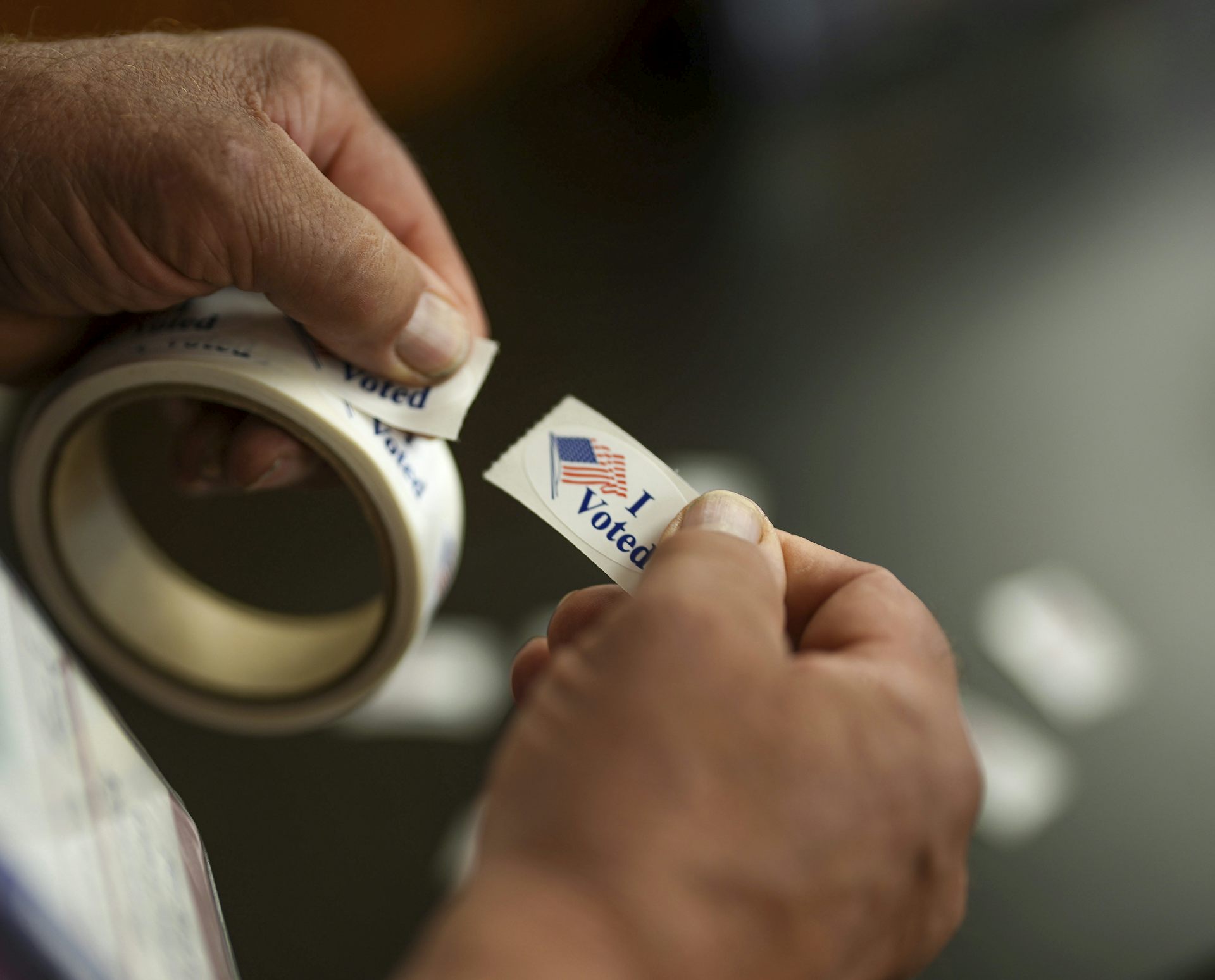
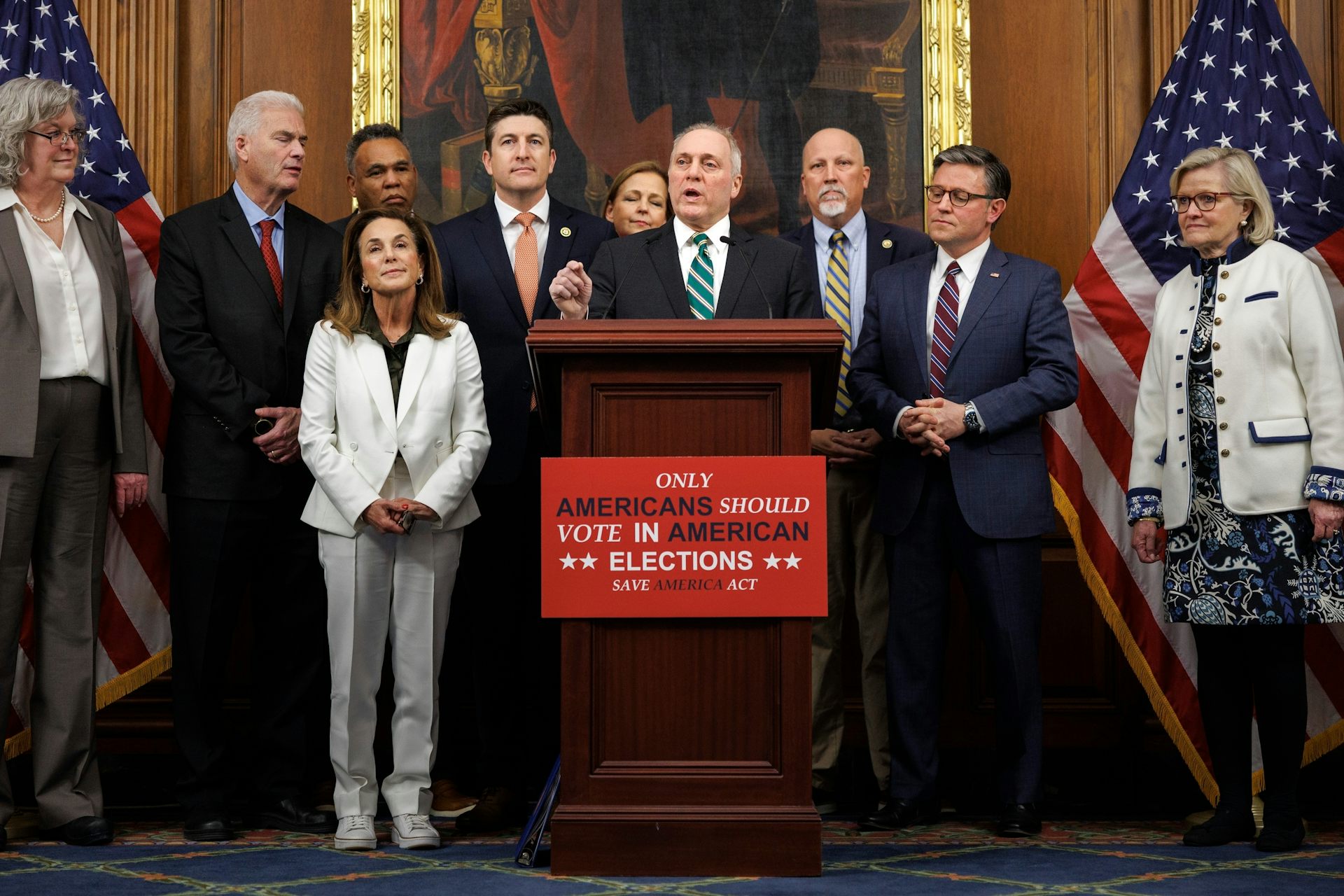


President Donald Trump in his State of the Union address on Feb. 24, 2026, doubled down on his false claims that the U.S. elections system is compromised. He asserted that “the cheating is rampant in our elections. It’s rampant.”
These pronouncements follow the January 2026 FBI seizure of 2020 ballots from Fulton County, Georgia, and the president’s recent call for the Republican Party to nationalize elections. The Trump administration is also suing 24 states and Washington, D.C., for voter lists to monitor voter registrations.
In his speech, Trump asked Republicans to pass the SAVE America Act. Approved by the House on Feb. 11, 2026, the measure would require that voters provide documentary proof of U.S. citizenship, effectively ending all online voter registration. “They want to cheat. They have cheated,” he said of Democrats.
These calls spread distrust in the U.S. electoral process, despite extensive evidence showing that voter fraud is rare, especially by noncitizens.
All this has led to speculation about how much further the Trump administration and Republican Party might go to tilt the 2026 midterm and 2028 presidential elections in their favor.
After decades of working internationally on democracy and peace-building, I know that efforts to undermine elections are not uncommon. Citizens of many affected countries have learned various techniques to help protect the integrity of their elections and democracy that may be helpful to Americans today.
Leaders, even in established democracies such as India, have used increasingly sophisticated and wide-ranging means to manipulate elections in their favor. Those means vary from legal changes that suppress votes to harassment and prosecution of the opposition, to promoting widespread disinformation campaigns.
These methods have evolved despite international efforts to counter rigged elections and improve election integrity. These countering efforts are called electoral assistance, and they support societies to develop electoral systems that reflect the will of the people and adhere to democratic principles.
Electoral assistance has been shown to strengthen transparency and election administration in countries such as Armenia and Mexico. It has also improved voter registration and education in countries such as Ghana and Colombia.
It’s mostly provided by international nonprofits, such as the National Democratic Institute and The Carter Center in the U.S. Multilateral organizations such as the United Nations also provide electoral assistance.
Here are five areas of electoral assistance that have shown some success internationally.
Early warning and community resilience: Early warning efforts track threats of violence and intimidation against election officials, candidates and voters. They seek to mitigate risks and prepare for crises. This happens from the early stages of an election through election day in countries such as Sri Lanka and Liberia.
Law enforcement, civic groups and election officials usually undertake these efforts together. But where such direct cooperation with government authorities is not feasible, civic groups can help by undertaking risk assessments and tracking coercion and threats. They can also raise alarms with officials and the media.
Indicators, or established metrics, can track sophisticated coercion tactics such as the misuse of government funds for campaign purposes. They also can track vote buying, like civic groups in North Macedonia did during 2024 parliamentary and 2025 local elections.
For these efforts to be successful, it’s critical that networks of trusted leaders urge early action to put in place greater safeguards long before election day. Raising alarms and urging action was done successfully by religious leaders in Kenya during general elections in 2022.
Real-time disinformation and local media reaction: Real-time fact-checking and debunking of false or manipulative information has proven critical to election integrity in countries such as Mexico and South Africa.
A highly organized and fast-moving approach involving media, technology companies and authorities successfully countered disinformation to ensure a competitive democratic election in Brazil in 2022. A coalition of Brazilian media outlets, for example, fact-checked political claims and viral rumors during the election period, using innovative tools such as online apps.
Robust local media play a particularly important role. In the 2024 presidential election of Maia Sandu in Moldova, a new investigative newspaper uncovered a Russia-backed network that paid people to attend anti-Sandu rallies and to vote against the president. That outlet had received training by an expert nonprofit group. It also received free legal advice and human resource management that were critical to its effectiveness.
Neutrality, transparency and systems reform: Amid efforts to sow doubt in elections, increasing transparency and ethical standards can help build awareness and deepen trust.
Various tools, such as codes of conduct that detail ethical standards, can be formulated for candidates, media and businesses. This has been done in Nigeria and the Philippines.
International groups, including the the International Foundation for Electoral Systems, published model commitments for advancing genuine and credible elections in 2024, which have been used for preelection assessments in Bangladesh.
Additionally, major technology companies such as Google and Meta in 2024 helped draft the international Voluntary Election Guidelines for Technology Companies. Meta also helped target false content and deepfakes during Australia’s 2025 election.
The neutrality of election officials is critical to tackle distrust. In New Zealand, high levels of public trust in elections align with robust neutrality rules for public officials. The key is to develop public awareness of such commitments and how they can be useful to hold election officials, media and businesses accountable.
More profoundly, the design of the electoral system can also be linked to levels of public trust and polarization. New Zealand, South Africa and Northern Ireland, for example, reformed from winner-take-all elections to proportional representation elections to address deep internal divisions and dissatisfaction with unrepresentative results.
Broad-based mobilization and civic campaigns: Significant voter turnout that delivers large winning margins make efforts to manipulate results more difficult.
In Zambia, for example, a landslide victory for the opposition candidate in the 2021 presidential elections was driven by high youth turnout and people switching parties in urban areas.
Mobilization efforts can span from public campaigns to digital tools and voter registration and education. These efforts can motivate key groups, such as youth, minority or overseas voters. Participation of diaspora groups in Poland’s 2023 parliamentary elections was a key factor in the opposition’s win.
Proactively building public awareness of election security measures, called prebunking campaigns, has demonstrated results in increasing trust in elections in Brazil and the U.S. Additionally, civic education has shown to have positive impact on voter choice of pro-democracy candidates over their preferred party.
Strategic coalitions and nonpartisan monitoring: Nonpartisan monitoring and observation of an electoral process is a key tool in the electoral assistance tool kit. Effective monitoring often involves coalitions of nonpartisan civic groups, which Senegal has used, and faith-based organizations, as in the Philippines, to ensure adequate coverage of polling stations and consistent application of standards.
Key tools, such as parallel vote tabulation, or “quick counts,” which provide independent and statistically accurate reports on the quality of voting and counting process, have helped verify official election results in Ukraine, Ghana and Paraguay.
International observation by entities such as the Organization for Security and Cooperation in Europe assesses whether elections meet global standards. Where it identifies serious flaws or fraud, such scrutiny can help justify mass protests or mobilization, such as in Serbia’s parliamentary and local elections in 2023, trigger new elections, such as in Bolivia’s general elections in 2019, or support international condemnation, such as in Georgia’s 2024 parliamentary elections. They also make recommendations on reforms, such as changes to elections laws and systems, to strengthen integrity and align with democratic principles.
This article is republished from The Conversation, a nonprofit, independent news organization bringing you facts and trustworthy analysis to help you make sense of our complex world. It was written by: Shelley Inglis, Rutgers University
Read more:
Why US third parties perform best in the Northeast
50 years ago, the Supreme Court broke campaign finance regulation
International election monitors can help boost people’s trust in the electoral process − but not all work the same way
From May 2023 until July 1, 2025, the author served in the Bureau for Democracy, Human Rights, and Governance at the United States Agency for International Development (U.S.A.I.D.).






Comments