Tinnitus -- merely annoying or a sign of something more serious?
Published in Health & Fitness
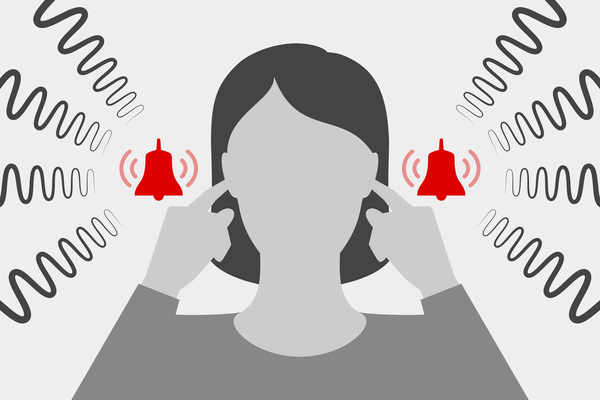
BALTIMORE — That chirping sound could be birds celebrating spring, or it could be tinnitus — especially if it comes with anxiety, depression or difficulty sleeping.
The condition has many causes, and can signal deeper health or wellness issues, Dr. Briney Ometz, owner and provider at Anne Arundel Audiology, told The Baltimore Sun
“Tinnitus is a sound that you perceive, which could be a buzz or humming,” she said. “A lot of times it’s called a ringing, but it could be a lot of tones, or it could even sound like waves on a beach.”
Its cause could be as simple as earwax pressing against the eardrum, perhaps by using a Q-tip — which is a big no-no, she said. Other causes include hearing loss, jaw misalignment, high blood pressure, inner ear disorders, certain medications and thyroid issues.
No simple cure exists, but treatments vary depending on the individual’s ability to function and enjoy everyday activities. These include cognitive-behavioral therapy to help sufferers cope with their symptoms, or a specialized hearing aid that adjusts to the tinnitus signal. Masking devices are also available for people without hearing loss; they look like hearing aids but produce a sound to soften the perception of ringing or roaring. Cellphone apps that produce pleasant sounds like rain, night sounds, waves or white noise also can help improve sleep.
Tinnitus affects 50 million Americans, according to the American Tinnitus Association website, and can be temporary or chronic. As many as 2 million Americans find the sound debilitating, interfering with work, sleep or life activities. Findings published in the Dove Medical Journal last December linked the severity of tinnitus symptoms to the severity of depression and anxiety in sufferers.
Researchers at the National Institutes of Health and other institutions are developing new tinnitus treatments that stimulate the brain, head and neck areas using electric, sound, magnetic, and deep brain stimulation — placing electrodes deep within the brain to disrupt more harmful processes.
Regardless of the cause or side effects, Ometz said seeing a doctor is the first step toward customized relief as well as unmasking underlying health conditions.
“Tinnitus is not a disease; it’s a symptom of another condition going on in your body.”
©2026 The Baltimore Sun. Visit at baltimoresun.com. Distributed by Tribune Content Agency, LLC.









Comments